About Besættelsesmuseet i Aarhus
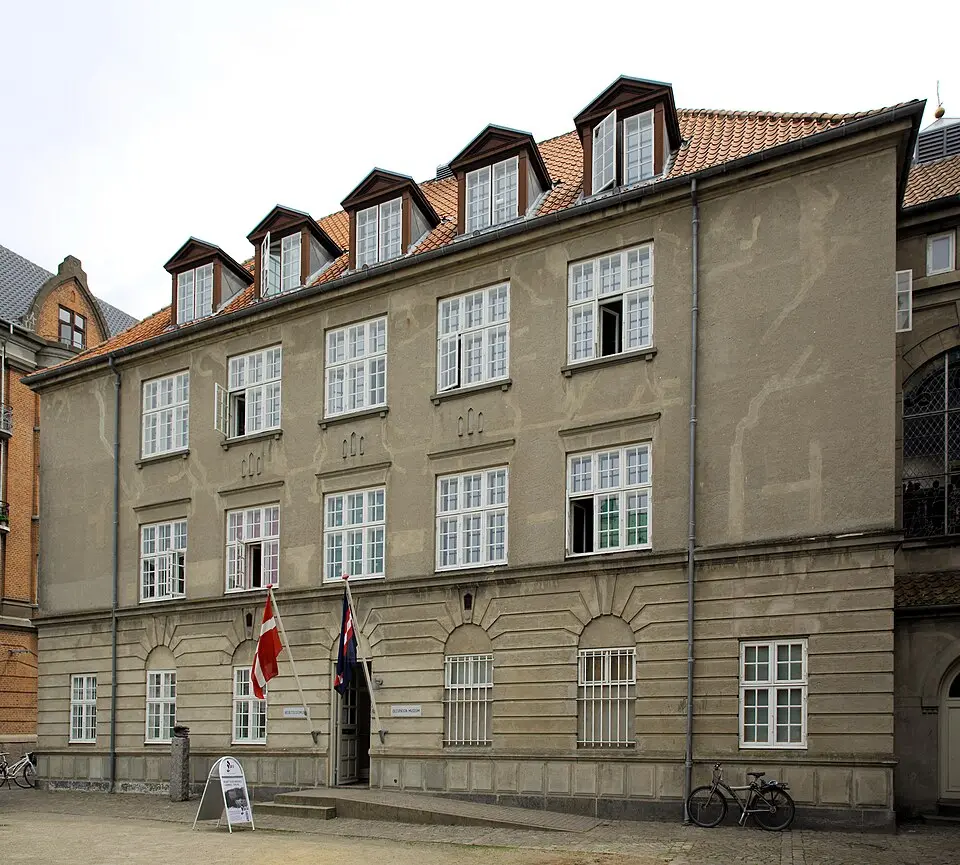
The Besættelsesmuseet (Occupation Museum) in Aarhus is devoted to the history of the city during the German occupation in World War II. The museum is located in the historic center, in the Latin Quarter, and shares the listed building with the Gender Museum. The structure, built between 1856 and 1857, once served as a city hall and police station. Later in the war, it became the Gestapo headquarters for Jutland after the previous premises were destroyed in an air raid. The exhibition draws on the building's history as a site of interrogation and torture to tell the story of the war. You'll see original objects and equipment from the cells as well as instruments of torture. Uniforms, weapons, mines, papers, and propaganda materials from the years 1940 to 1945 are also on display. Following a comprehensive renovation that lasted until the end of 2020, the new presentation focuses on the ethical dilemmas that ordinary citizens faced during the occupation and invites you to take part in an engaging experience.
At a glance
- Category
- Museum › History museums
- Rating
- no reviews yet · write a review
- Address
- Mathilde Fibigers Have 2
8000 Aarhus, Denmark - District
- Latin Quarter
- Phone
- +4586184277
- Website
- www.besaettelsesmuseet.dk
- information@dengamleby.dk
- Coordinates
- 56.15739° N · 10.21145° E
- Data quality
- confidence 0.99
- Identifier
- ID 4bdc5b16-614…
Location & surroundings
Toggle layersRatings & comments
none yetNear Besættelsesmuseet i Aarhus
closest 5 per category · 2 kmRestaurants
Hotels
More:All museums in Aarhus (34)
205 places within 2 km loaded.
You need a free account to leave reviews and photos – that keeps comments genuine and lets you edit them later.
A small museum telling the story of local life under German occupation, located in the old town hall which was used by the Gestapo during the occupation.
Source: Wikivoyage, „World War II in Europe“ · authors per page history · CC BY-SA 4.0