Saskatchewan: Wheat Fields and a Hundred Thousand Lakes
Travel guide · editorialBeneath an enormous sky, fields of wheat and canola stretch to the horizon, and farther north lie endless forests and lakes. A vacation in Saskatchewan takes you to the university city of Saskatoon, to Regina and the Mounties, and on canoe trips in Prince Albert National Park.
Landscape and Location
Saskatchewan lies between Alberta and Manitoba and is one of Canada's two landlocked provinces. The southern half belongs to the prairie, where Canada harvests a large share of its wheat, canola and lentils. Grain elevators and small towns dot the fields. In the north, the boreal forest begins, with around 100,000 lakes, and gives way to the Canadian Shield. In the far southwest you'll find the Cypress Hills, higher than the surrounding prairie, and Grasslands National Park with its prairie dogs and bison. In the north, the Athabasca Sand Dunes rise up, the northernmost large dunes in the world.
Saskatoon and Regina
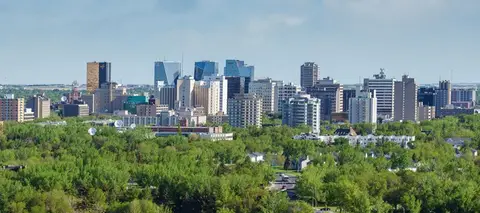
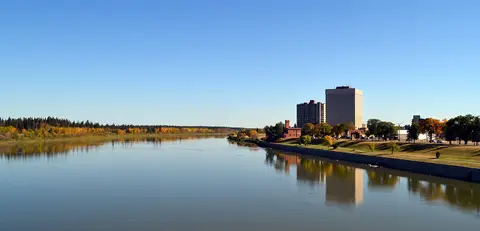
Saskatoon, the largest city, lies on the South Saskatchewan River and is nicknamed the Paris of the Prairies because of its bridges. The Remai Modern shows the largest collection of Picasso linocuts, and the Meewasin Valley Trail runs along the river. Near Saskatoon, Wanuskewin Heritage Park commemorates 6,000 years of Plains peoples' history, and bison now live there again. Regina, the capital, has Wascana Centre, one of the largest urban parks in North America, built around a lake and the Legislative Building. The RCMP Heritage Centre tells the story of the Royal Canadian Mounted Police, whose training academy is based here. The football team, the Saskatchewan Roughriders, is celebrated with watermelon helmets.
Sights in Saskatchewan
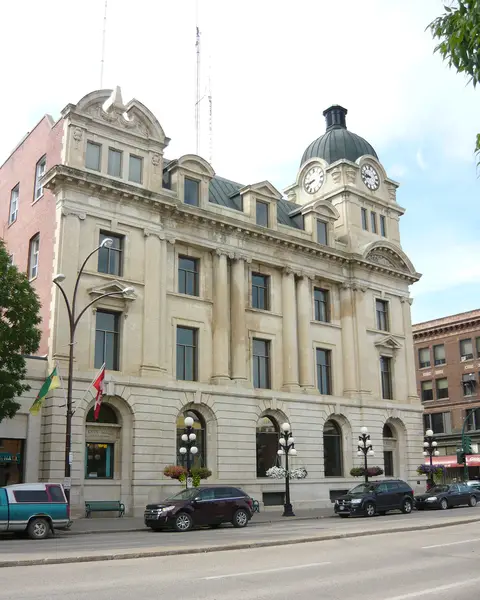
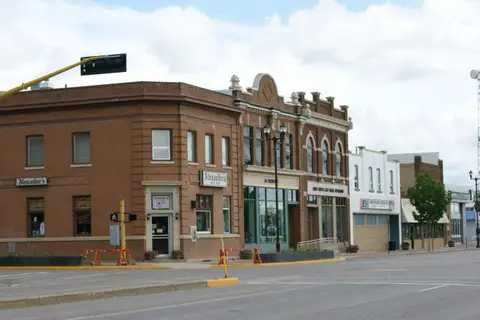
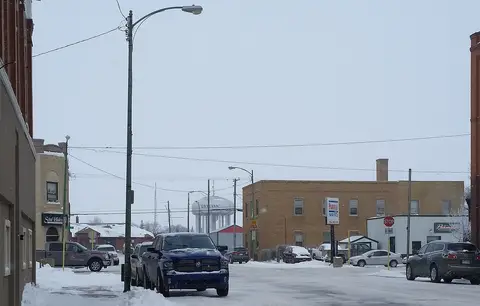
Moose Jaw is known for the Tunnels of Moose Jaw, underground passages where bootleggers are said to have operated during Prohibition, and for a spa with mineral water. Prince Albert is the gateway to Prince Albert National Park, where the conservationist Grey Owl lived in a cabin by the lake. Swift Current in the southwest and North Battleford on the North Saskatchewan River are agricultural centers, the latter with an open-air museum about the pioneer era. Yorkton in the east has a large Ukrainian-Canadian community and a film festival. Small settlements like Grasswood on the edge of Saskatoon show rural life right outside the city. Batoche recalls the Métis uprising of 1885.
Nature and Active Vacations
In the north, lakes such as Lac La Ronge offer canoeing, fishing and lakeside cabins where you can catch pike and walleye. The Churchill River is a classic canoe route from the fur-trade era. In the south, Grasslands National Park with its dark starry skies and the Cypress Hills with their forests and lakes invite you to go hiking. The Great Sand Hills are dunes in the middle of the prairie.
Food, Getting There and Best Time to Visit
Typical fare includes Saskatoon berries baked into pies, pierogies and cabbage rolls from Ukrainian cuisine, and bison and lake fish such as walleye. Saskatoon and Regina have airports with connections to Toronto, Calgary and Vancouver. A car is essential, and the Trans-Canada Highway crosses the province. The best time to visit is from June to September; winters get very cold, but in the north the northern lights often dance across the sky then.