

Nova Scotia: Lighthouses, Lobster and the Cabot Trail
Travel guide · editorialAlmost completely surrounded by the Atlantic, Nova Scotia is a province of fishing villages, lighthouses and Celtic fiddle music. A vacation in Nova Scotia takes you to Halifax, to the lighthouse at Peggy's Cove, along the Cabot Trail on Cape Breton and to the Bay of Fundy, home to the highest tides in the world.
Landscape and Location
Nova Scotia is a peninsula connected to the mainland only by a narrow strip of land near Amherst. Cape Breton Island in the northeast is also part of the province. No spot lies more than about 60 kilometers (37 miles) from the sea. The South Shore is rugged, with bays and granite rocks, while the north shore borders the warm waters of the Northumberland Strait. On the Bay of Fundy, the water rises by as much as 16 meters (52 feet) at high tide. Inland you will find forests, lakes and Kejimkujik National Park.
Halifax and the Cities
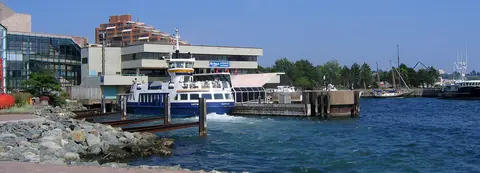
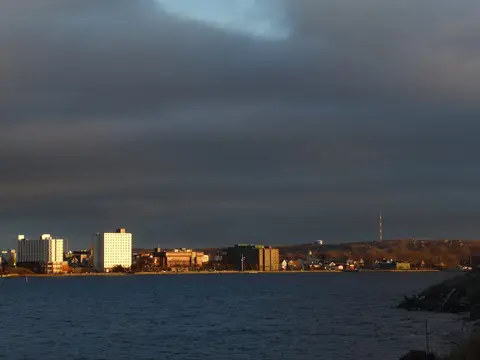
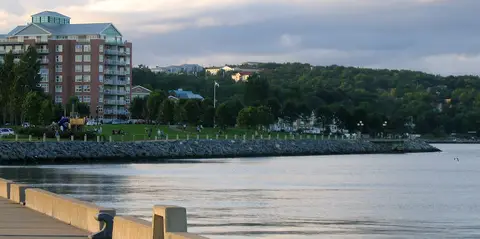
Halifax is the capital and largest city of the Atlantic provinces. The star-shaped Citadel towers above the harbor, where a cannon is fired every day at noon. The waterfront promenade with its restaurants, the Maritime Museum of the Atlantic with artifacts from the Titanic, some of whose victims are buried in Halifax, and Pier 21, where more than a million immigrants arrived, tell the story of the port city. In 1917, the explosion of a munitions ship destroyed large parts of the city. Across the harbor lies Dartmouth, reachable by ferry, and to the north are Bedford and Lower Sackville, now part of the Halifax Regional Municipality. Truro in the center of the province is a transportation hub where you can watch the tidal bore on the Salmon River.
Sights in Nova Scotia
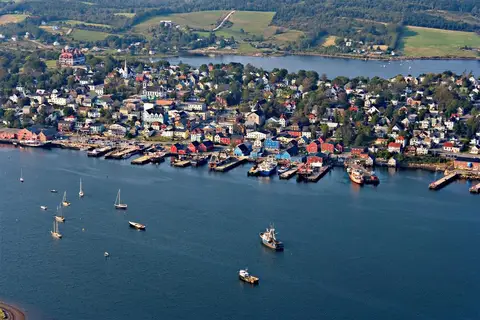
Peggy's Cove, with its lighthouse perched on granite rocks, is one of the most photographed scenes in Canada. Lunenburg, founded by German-speaking Protestants, is a World Heritage Site with its colorful wooden houses and the home port of the Bluenose II, whose predecessor appears on the Canadian ten-cent coin. On Cape Breton, the Cabot Trail winds about 300 kilometers (186 miles) through highlands, coastline and forests, with whale watching in Pleasant Bay. Sydney on Cape Breton is the gateway to the Fortress of Louisbourg, a reconstructed 18th-century French fortified town. Yarmouth in the southwest is the ferry port for Maine and a center of the Acadians, French-speaking descendants of the first settlers. The Joggins Cliffs near Amherst hold Carboniferous-era fossils and are a World Heritage Site.
Nature and Outdoor Activities
Nova Scotia is a destination for kayakers exploring the coasts and islands, and for hikers on the Skyline Trail in Cape Breton Highlands National Park. At low tide you can walk on the ocean floor along the Bay of Fundy, and at high tide you can ride the tidal bore in inflatable boats. In summer and fall, whales pass by off Cape Breton.
Food, Getting There and Best Time to Visit
Nova Scotia is Canada's largest exporter of lobster. You will also find scallops from Digby, mussels, salmon, fishcakes and donair, Halifax's take on the doner kebab with a sweet sauce. The Annapolis Valley supplies apples and wines such as Tidal Bay. Halifax airport has direct flights to Europe. A rental car is essential for the coastal roads. The best time to visit is from June to October; in fall the forests of Cape Breton turn color, and the Celtic Colours Festival celebrates Celtic music.