Discovering Minsk: Grand Boulevards and the Upper Town
Travel guide · editorialBroad boulevards, monumental wedding-cake facades, and a river beside which the old town huddles: Minsk is a stone history book of the 20th century. For travel to Minsk, however, the following currently applies: the German Federal Foreign Office advises against travel to Belarus; the text below is meant as a portrait of the city.
Rebuilt from the Ruins
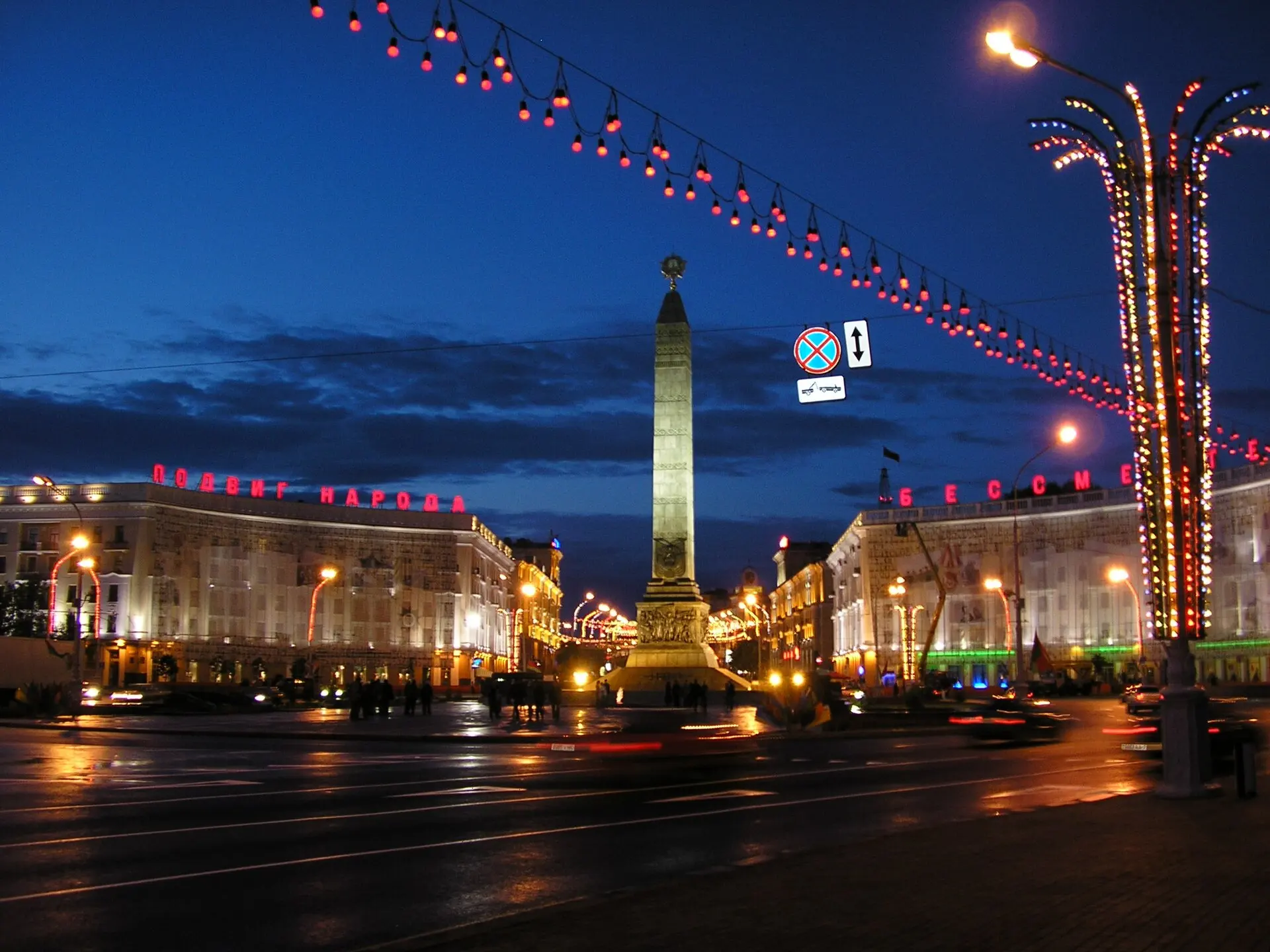
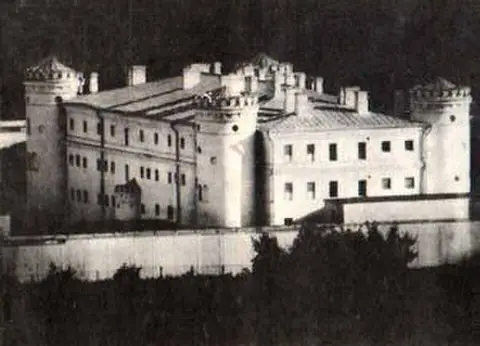
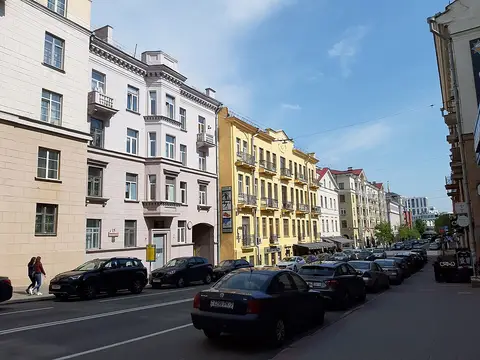
Minsk was first mentioned in the 11th century and belonged for a long time to the Grand Duchy of Lithuania and to the Polish-Lithuanian Commonwealth before falling to the Russian Empire. World War II devastated the city almost completely; a large part of the population, including the once-numerous Jewish community, was murdered. After 1944, a new Minsk arose according to a Soviet plan. Independence Avenue, with its neoclassical buildings, is considered one of the most cohesive ensembles of Stalinist architecture and is on the tentative list for UNESCO World Heritage status.
Sights in Minsk
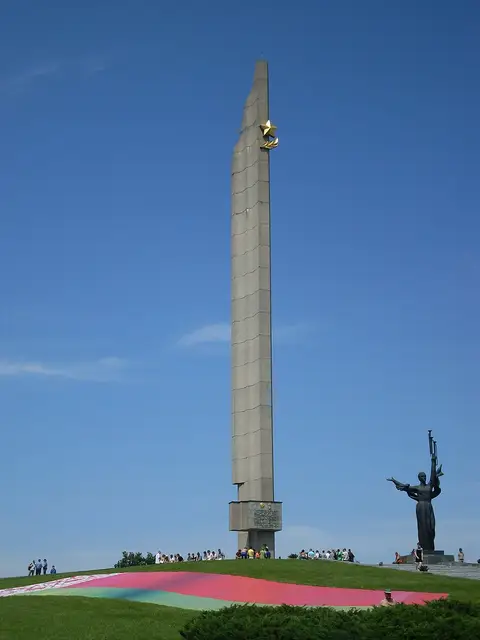
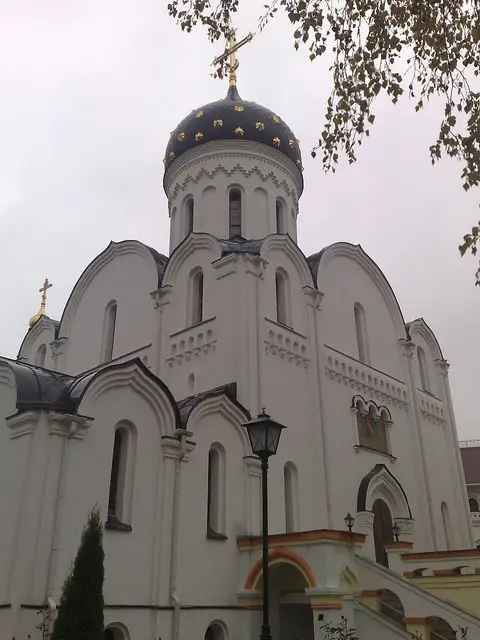
On Victory Square, an obelisk with an eternal flame commemorates the war, and the Museum of the History of the Great Patriotic War documents the events in detail. The Upper Town (Vyerkhni Horad) has preserved a piece of the prewar city, with the Baroque Cathedral of the Holy Spirit and the reconstructed town hall. Across the Svislach River lies the Trinity Suburb, with pastel-colored houses and cafés. On a small island in front of it stands the "Island of Tears," a memorial to the soldiers who fell in Afghanistan. Impossible to miss is the National Library, a huge rhombicuboctahedron that glows in color at night and has an observation deck. On Independence Square, the red-brick Church of Saints Simon and Helena stands out.
Excursions in the Area
About 60 kilometers southwest stands Mir Castle, an early 16th-century fortress with red-brick towers; not far away lies Nyasvizh Castle of the Radziwiłł princes, with a large landscaped park. Both are UNESCO World Heritage sites. North of the city, the Khatyn Memorial commemorates a village that was burned down with its inhabitants in 1943, standing in for hundreds of destroyed villages in Belarus.
Food and Daily Life
Belarusian cuisine is hearty and heavy on potatoes. The national dish is draniki, crispy potato pancakes with sour cream, served with machanka, a sauce of pork and sausage into which you dip pancakes. In summer, a starter is often chaladnik, a cold beet soup; in winter, mushroom soups and potato casseroles such as babka warm you up. The drink of choice is kvass, a fermented bread beverage, or an herbal balsam. At the Komarovka Market, the city's big market, you'll find mushrooms, berries, honey, and pickled vegetables. On Kastrychnitskaya Street, a district of bars, murals, and restaurants has sprung up in converted factory halls.
Getting Around Minsk and When to Go
The three-line metro is fast and inexpensive, supplemented by dense bus and trolleybus networks; some stations are elaborately designed, for example with Soviet-era mosaics and murals. The airport is about 40 kilometers east of the city. Summers are warm with long daylight hours, winters cold and snowy. If the situation changes, a visit between May and September is worthwhile, ideally during the city festival in September.