Discover Andorra: Mountains, Slopes and Valleys
Travel guide · editorialA vacation in Andorra almost always takes place at altitude: the small Pyrenean state between France and Spain never drops below about 840 meters (2,760 feet). In winter, visitors come to ski; in summer, they come to hike past mountain lakes and high pastures. In between lie valleys with Romanesque churches and a capital that many people first know as a shopping destination.
A Country of Valleys and Peaks
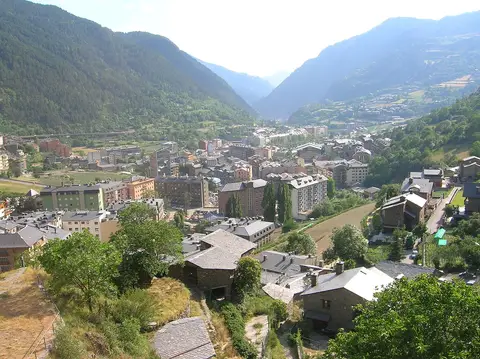
Andorra essentially consists of two river valleys that meet in the capital. More than 60 peaks rise above 2,500 meters, and the highest is Comapedrosa at 2,942 meters. Roughly a third of the country is forested, and there are over 60 mountain lakes. The Madriu-Perafita-Claror Valley in the southeast is the country's only UNESCO World Heritage Site, an almost untouched glacial landscape with stone huts, terraced fields and old shepherd trails. It shows how people lived for centuries from livestock herding, iron and tobacco farming.
Andorra la Vella, Escaldes and the Ski Resorts
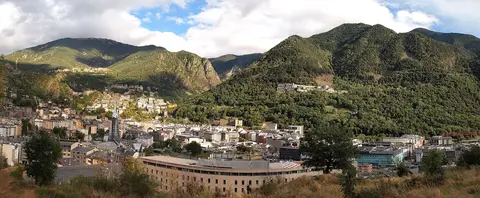
At just over 1,000 meters, Andorra la Vella is one of the highest-lying capitals in Europe. In the old quarter, Barri Antic, you'll find the Casa de la Vall, a 16th-century stone house that long served as the parliament. The city blends seamlessly into Escaldes-Engordany, where the Caldea thermal spa, with its glass spire, rises visibly above the rooftops. The shopping streets of both towns are packed with stores selling electronics, perfume and sporting goods, since Andorra levies noticeably lower taxes than its neighbors.
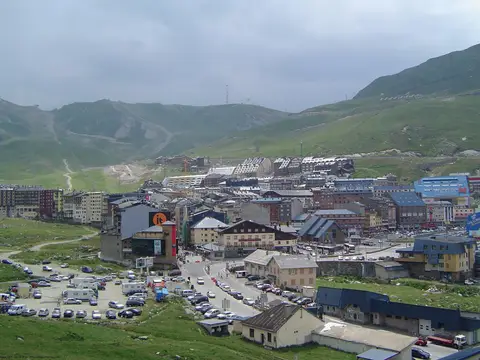
The best-known destinations for winter sports fans are Soldeu and Pas de la Casa on the French border, which together form the Grandvalira ski area, one of the largest in the Pyrenees. To the west lie Arinsal and Pal, which belong to the Pal Arinsal area, as well as Ordino-Arcalís with its freeride terrain. Encamp is connected to the slopes by a gondola. Around La Comella above the capital, walking paths with views of the valley begin.
Culture and History
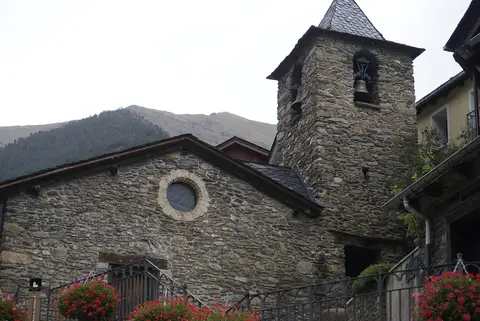
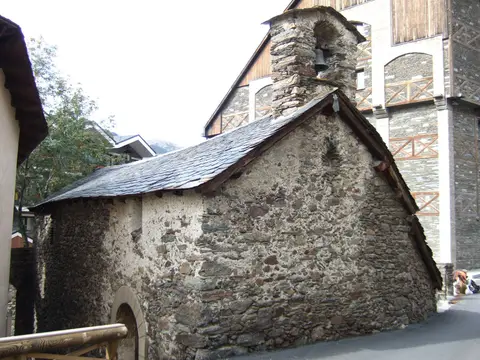
Andorra is a curiosity of European history. Since 1278, it has been jointly ruled by two co-princes, today the Bishop of Urgell in Spain and the French president. It wasn't until 1993 that the country got its own constitution and became a member of the United Nations. The official language is Catalan, but in everyday life you'll hear Spanish, French and Portuguese just as often. Worth seeing are the Romanesque churches, such as Sant Joan de Caselles near Canillo with its slender bell tower, or Santa Coloma with its round tower.
Food and Drink
Mountain cuisine is hearty. Typical dishes include trinxat, a pan dish of cabbage, potatoes and bacon, and escudella, a stew of meat and vegetables that is cooked mainly in winter. In the bordas, converted old barns, meat is grilled over charcoal and served with allioli. Cured sausages, mountain cheese and mushrooms from the forests go well with it. If you want something sweet, try crema catalana.
Getting There and Best Time to Visit
Andorra has no rail connection. Most visitors fly to Barcelona or Toulouse and take a bus or rental car from there, reaching the mountains in about three hours. The small Andorra–La Seu d'Urgell airport lies across the border in Spain. A national ID card is sufficient, though duty-free allowances apply when you shop and return to the EU. The best time to visit Andorra depends on your plans: skiing is usually possible from early December to early April, while June through September is ideal for hiking, when the high valleys are free of snow and daytime temperatures in the valley are 68 to 77°F (20 to 25°C). In fall, the forests change color, and the trails are empty.