Discover Tirana: Bunkers, Color, and Blloku
Travel guide · editorialIn barely a generation, Tirana has gone from one of Europe's most isolated capitals to a lively city full of cafés, color, and ideas. A city break in Tirana takes you to bunkers from the dictatorship, Ottoman mosques, concrete pyramids, and up Mount Dajti, the city's local mountain.
A young capital with a turbulent history
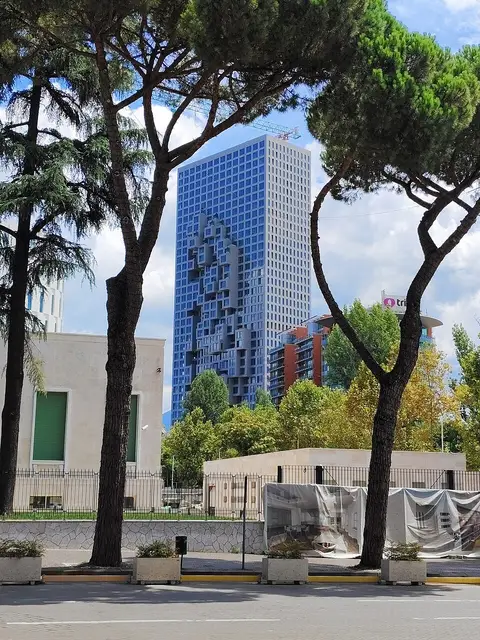
Tirana was founded in 1614 by an Ottoman general and was a market town for a long time. It did not become Albania's capital until 1920, and under King Zog and during the Italian occupation, the ministries and boulevards in the center were built. From 1944, Enver Hoxha ruled with an iron fist and isolated the country almost completely; hundreds of thousands of bunkers were built across the country. After the end of communism in 1991, a chaotic fresh start began. As mayor, the artist Edi Rama had gray prefab apartment blocks painted in bright colors starting in 2000 – a symbol of a new beginning.
Sights in Tirana
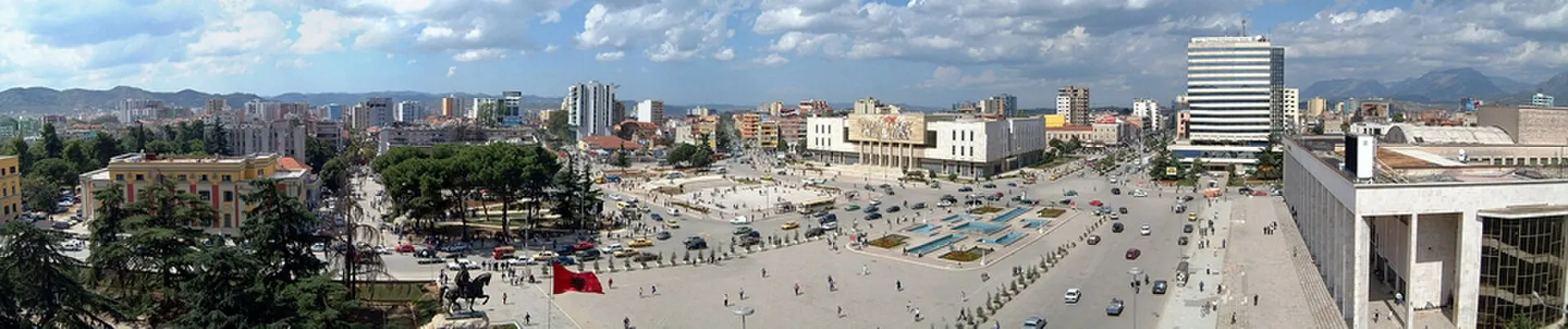
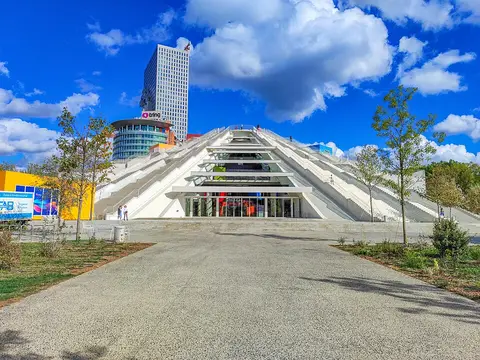
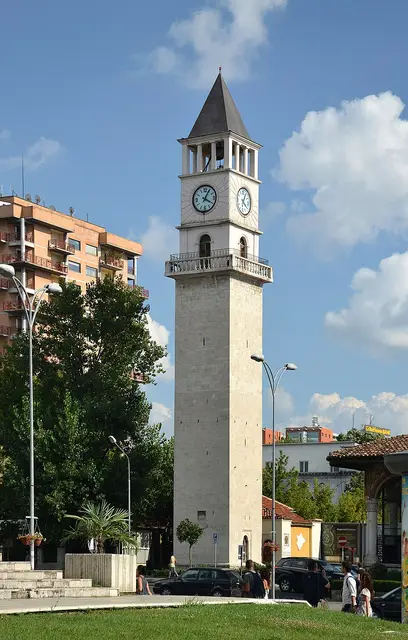
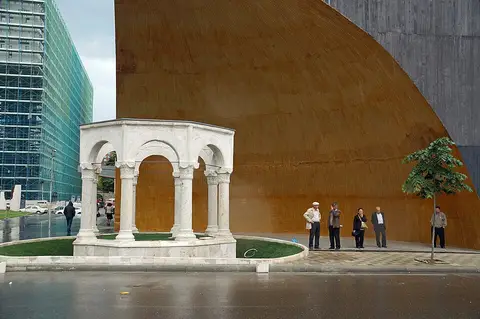
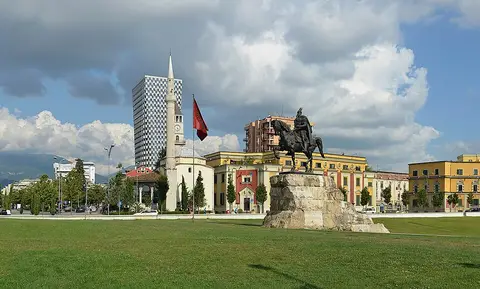
The broad Skanderbeg Square, with its equestrian statue of the national hero, has been redesigned and is now a large pedestrian plaza. Next to it stand the Et'hem Bey Mosque with its delicate frescoes, the Clock Tower, and the National Historical Museum with the mosaic above its entrance. Bunk'Art 1 on the edge of town and Bunk'Art 2 in the center, both former nuclear bunkers, tell a powerful story of dictatorship and surveillance, as does the House of Leaves, the secret police's former eavesdropping center. The Pyramid of Tirana, once a museum dedicated to Enver Hoxha, has been converted into a youth and technology center that you can climb. The new Orthodox cathedral and the large Namazgah Mosque show the peaceful coexistence of the religions.
Blloku and nightlife
Blloku, once a closed-off district for the party elite that also contains Hoxha's villa, is now the city's nightlife district, with bars, cafés, clubs, and boutiques. Albanians love coffee, and Tirana has one of the highest densities of cafés in Europe. At the New Bazaar, the Pazari i Ri, with its restored market halls, vendors sell fruit, olives, and raki, and restaurants surround it. The Grand Park by the artificial lake offers walking paths and quiet, with monuments, cafés, and the grave of Albania's national poet. In the evening, Skanderbeg Square turns into a gathering place for families, and on weekends there are concerts and festivals. A stroll along Dëshmorët e Kombit Boulevard takes you past government buildings from the Italian era to the university.
Eating in Tirana
Albanian cuisine combines Mediterranean and Ottoman influences. Typical dishes include tavë kosi, lamb baked in yogurt, fërgesë, a dish of peppers, tomatoes, and fresh cheese, byrek, filled puff pastry, and grilled meat such as qofte. You wash it down with raki made from grapes or mulberries. Restaurants in Tirana are inexpensive by European standards, and many rely on regional products.
Getting there and best time to visit
Nënë Tereza Airport is about 17 kilometers (11 miles) northwest of the city, and a bus runs to the center. In the city, buses are cheap and taxis are convenient. The Dajti Ekspres cable car takes you up the local mountain for views over the city. Day trips lead to Kruja with its castle and bazaar, to Durrës on the Adriatic, and to the museum city of Berat. The best time to visit is spring and fall; summer is hot, and winter is mild and rainy.