Discover Pittsburgh: Bridges, Warhol, and Inclines
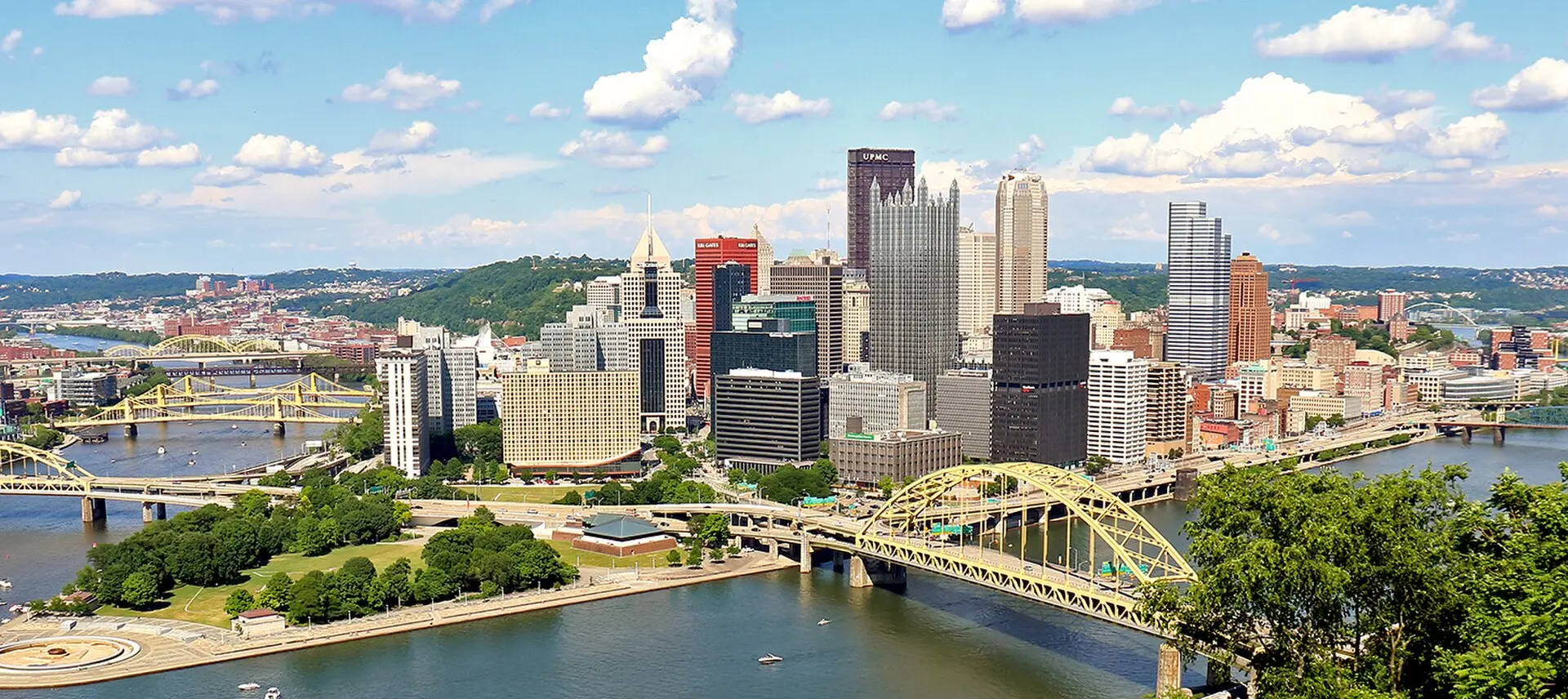
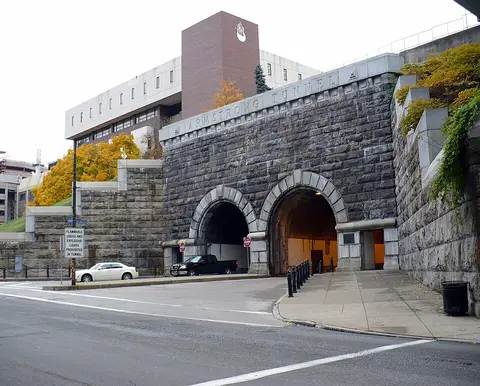
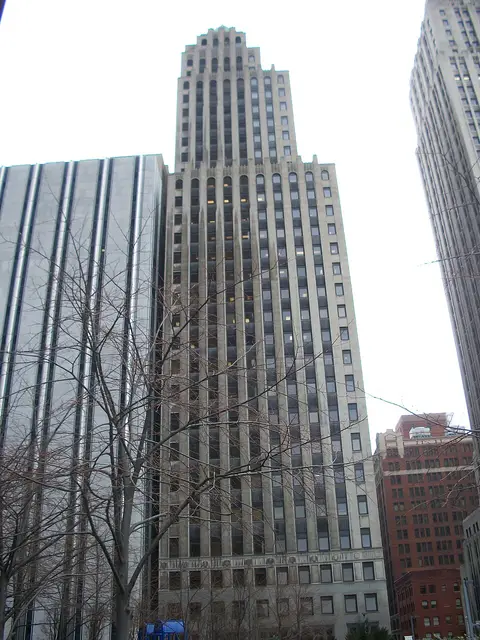
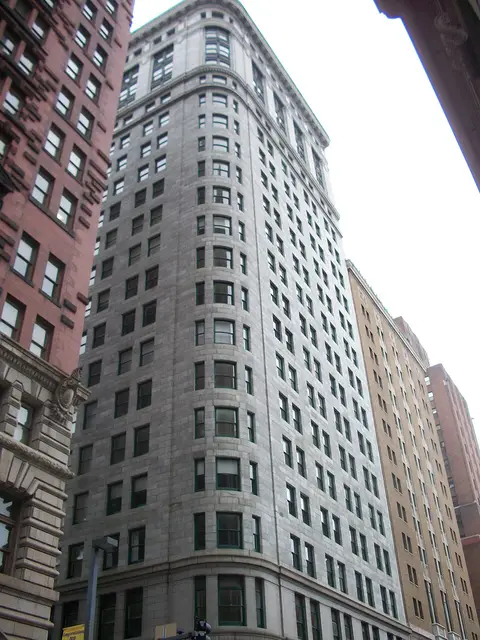
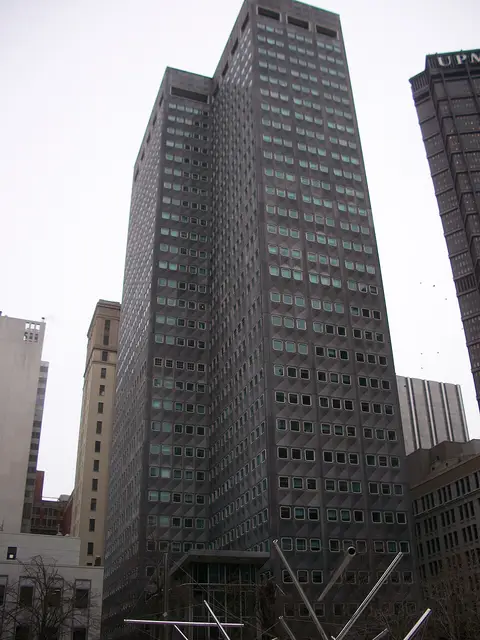
Travel guide · editorialAs you drive out of the Fort Pitt Tunnel, Pittsburgh suddenly appears before you: skyscrapers at the confluence of three rivers, spanned by yellow bridges. A trip to Pittsburgh takes you to a former steel town that has reinvented itself with universities, museums, and medicine. For a city break with character, the "City of Bridges," with more than 440 bridges, is a surprise.
From Steel to Science
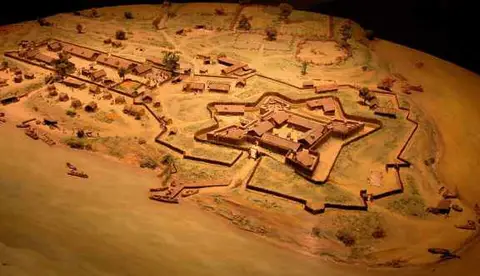
Where the Allegheny and Monongahela rivers join to form the Ohio, the French and British fought over Fort Duquesne, later Fort Pitt, in the 18th century. In the 19th century, Pittsburgh became the steel capital of the world; Andrew Carnegie, Henry Clay Frick, and the Mellon family amassed fortunes and endowed museums and universities. Smoke and soot darkened the streets back then. After the collapse of the steel industry in the 1980s, the city succeeded in transforming itself into a center for robotics, artificial intelligence, and medicine, driven by Carnegie Mellon and the University of Pittsburgh.
Things to See in Pittsburgh
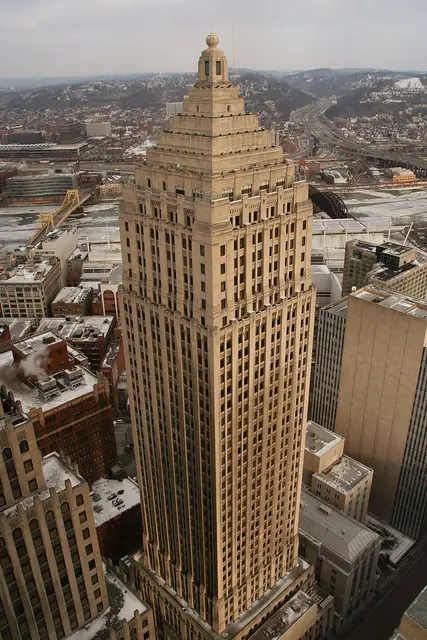
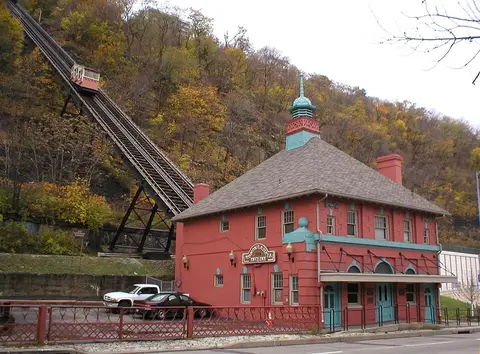
The Duquesne Incline and the Monongahela Incline, funicular railways from the 19th century, climb Mount Washington for the most famous view of the skyline. At Point State Park, at the confluence of the rivers, a large fountain sprays. The Andy Warhol Museum on the North Side is the largest museum in the U.S. dedicated to a single artist. The Carnegie Museums in North Oakland combine art and natural history with a major dinosaur collection, and right next door the University of Pittsburgh's Cathedral of Learning towers above, with its Nationality Rooms. The Phipps Conservatory is a Victorian glasshouse full of plants. Football fans can catch the Steelers at Acrisure Stadium on the river.
Neighborhoods and Food
The Strip District is a market district with wholesalers, fish shops, cafés, and Italian delis. South Side Flats, along East Carson Street, is the bar district, while Shadyside, with its boutiques, and Squirrel Hill South, with its bakeries and Jewish heritage, are elegant residential neighborhoods. Bloomfield is Pittsburgh's Little Italy, East Liberty has transformed itself with restaurants and tech companies, and Central Oakland is a student area. Restaurants in Pittsburgh serve pierogi, a legacy of Eastern European workers, and the famous sandwich with french fries and coleslaw right between the slices of bread. Local breweries and bars with views of the rivers round out the evening.
Rivers and Green Spaces
Pittsburgh is wonderful to experience from the water. Sightseeing boats cruise the three rivers, and you can rent kayaks right under the bridges on the North Shore. The Great Allegheny Passage, a bike trail on an old railroad bed, leads from Pittsburgh all the way to Maryland. In Frick Park and Schenley Park, you can hike through forests in the middle of the city. In the fall, a Steelers football game or a Pirates baseball game at PNC Park with a view of the skyline is a real treat.
Getting Around, When to Go, and Day Trips
Pittsburgh International Airport, with its new terminal, is about 19 miles west of the city, and buses run to Downtown. The light rail "T" connects Downtown with the North Side and the South Hills, and you can reach many destinations by bus or on foot across the bridges. The best time to visit is between May and October, and in the fall the hills turn colorful. Day trips lead to Frank Lloyd Wright's Fallingwater, a house built over a waterfall about an hour and a half southeast, as well as to Kentuck Knob and Ohiopyle State Park.