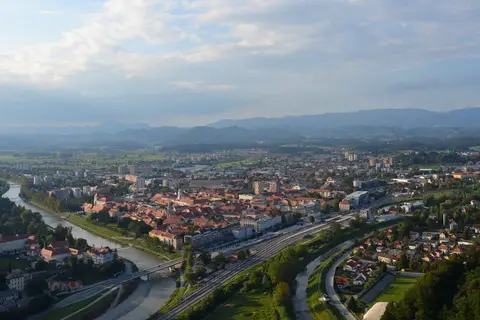
Celje: City of the Counts of Cilli
Travel guide · editorialA vacation in Celje, known in German as Cilli, takes you to Slovenia's third-largest city, once the seat of one of the most powerful noble families in Central Europe. The country's largest castle complex towers above the city, and beneath its streets lie the remains of the Roman town of Celeia.
Location and History
Celje lies on the Savinja River in a wide valley between Ljubljana and Maribor. The Celts settled here early on, and the Romans turned Celeia into an important city in the province of Noricum, nicknamed "Troia secunda," or second Troy, for its wealth. In the 14th and 15th centuries, the Counts of Cilli rose to the rank of imperial princes and were related by marriage to the royal houses of Hungary, Poland, and Bosnia. Their three golden stars live on in the coat of arms of Slovenia. When the last count died in 1456, their possessions passed to the Habsburgs. Later, Celje grew into an industrial city on the Southern Railway between Vienna and Trieste.
Sights in Celje
Celje Old Castle, Stari grad, sits on a hill southeast of the city; from Frederick's Tower you can look out over the Savinja Valley. In summer, the castle hosts jousting tournaments and medieval festivals. In the Old Town, the Regional Museum in the Old Counts' Manor displays the "Celjski strop," a painted Renaissance ceiling, and skulls of the Counts of Cilli. Beneath the Princes' Court, the Celeia Museum reveals Roman streets, houses, and mosaics. The Abbey Church of St. Daniel, the remains of the city walls with the Water Tower, and the city park on the Savinja round out a walking tour. In neighboring Laško, known for its brewery and thermal baths, you can combine your visit with a wellness day.
Food, Getting There, and Best Time to Visit
The cuisine of Lower Styria offers pumpkin seed oil, sauerkraut, sausage, buckwheat sterz, and strudel. Locals wash it down with beer from Laško or wines from the hills of Šmarje. Celje lies on the A1 motorway and on the rail line from Ljubljana to Maribor; trains take about an hour from the capital. The best time to visit is April through October; in summer, the castle serves as a stage for concerts and festivals.