Nitra Region: The Danube, Thermal Baths, and Vineyards
Travel guide · editorialThe Nitra Region in southern Slovakia is the warm, fertile heart of the country, with vineyards, sunflower fields, and thermal baths. This is where you'll find Nitra, site of the first Christian churches of the West Slavs, built in the 9th century. A vacation in the Nitra Region combines history, fortresses along the Danube, and soaking in warm healing waters.
Lowlands Between the Danube and the Hron
The region, called Nitriansky kraj in Slovak, stretches from the hill country of the Tribeč Mountains in the north to the Danube, which forms the border with Hungary here. The Váh, Nitra, and Hron rivers flow through the Danubian Lowland, one of the warmest parts of Slovakia, where corn, wheat, fruit, and grapes thrive. Around 670,000 people live here. In the south, a large share of the population speaks Hungarian, for example in Komárno and Štúrovo. Nové Zámky was an important fortress against the Ottomans in the 17th century.
Sights in the Nitra Region
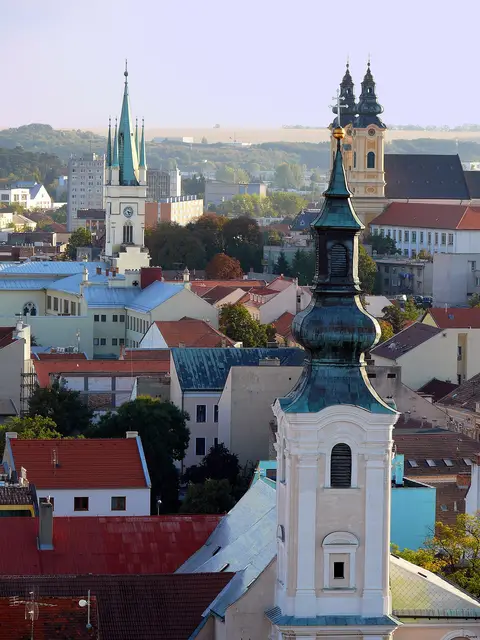
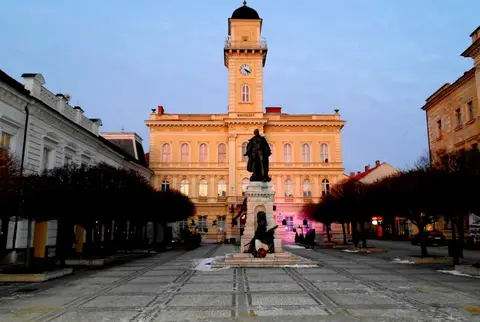
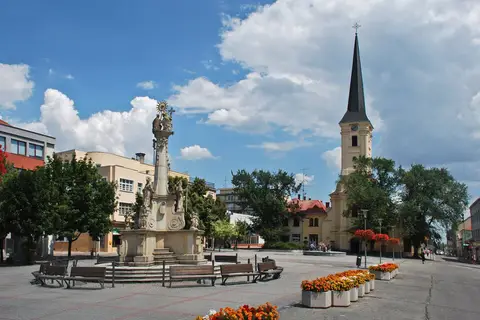
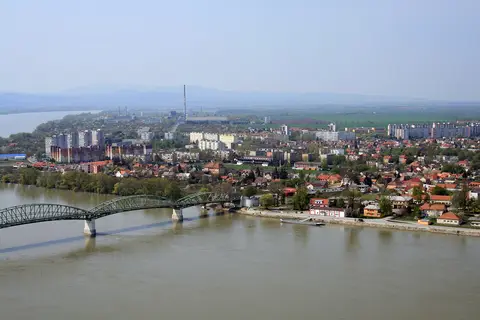
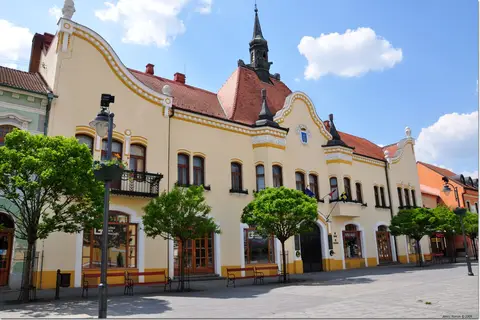
Nitra is the oldest town in Slovakia. On the castle hill stand the bishop's residence and the Cathedral of St. Emmeram, whose origins go back to the 11th century; Prince Pribina is said to have consecrated a church here as early as 828. Below lies the old town with its Baroque buildings, and the local mountain, Zobor, offers views over the plain. Komárno has a huge fortification system from the 16th to 19th centuries, one of the largest in Central Europe, spanning both banks of the Danube. The town's Europe Square features replicas of buildings from various European architectural eras. In Štúrovo, opposite Esztergom in Hungary, the Mária Valéria Bridge crosses the Danube, and the large Vadaš thermal bath is a popular summer destination. Levice has a castle ruin and lies near the spa town of Podhájska, whose highly mineralized water is often compared to that of the Dead Sea. In Topoľčany and the Tribeč Mountains you'll find small castle ruins and the Romanesque church of Kostoľany pod Tribečom, one of the oldest surviving churches in the country.
Wine, Festivals, and Nature
The wine region around Nitra and the South Slovak wine region around Šaľa and Komárno produce full-bodied white and red wines. In the fall, towns such as Nitra, Šaľa, and Strekov celebrate grape harvest festivals with burčiak, the young, partially fermented wine. The Danube floodplain forests near Komárno and the salt meadows of Kamenín, with their rare plants, offer nature experiences, and bike paths follow the Danube embankment. Hurbanovo is known for its historic observatory and the Zlatý Bažant brewery. In the Mlyňany Arboretum near Zlaté Moravce, thousands of woody plant species from around the world grow across roughly 60 hectares, including many evergreens you would hardly expect at this latitude. Nitra itself hosts the Agrokomplex agricultural fair every August, the country's largest agricultural exhibition.
Food, Getting There, and Best Time to Visit
The cuisine has a strong Hungarian influence: halászlé fish soup, goulash, chicken paprikash, and lángos. Nitra supplies peppers and vegetables, and the vineyards produce white wines. The train from Bratislava to Nitra takes about an hour and a half. The best time to visit is May through September, when the outdoor thermal pools are open and wine festivals take place.