Komárom-Esztergom County: Basilica, Lakes, and Fortresses
Travel guide · editorialKomárom-Esztergom County is one of the smallest in Hungary, yet church history, watery landscapes, and fortress architecture are packed into a compact area. A trip to Komárom-Esztergom County takes you from the largest church in the country to the town of lakes.
Esztergom and the Danube
Esztergom, known in German as Gran, was the first capital of the Hungarian kingdom; King Stephen was crowned here around the year 1000. To this day the town is the seat of the Archbishop and Primate of Hungary. The neoclassical basilica on Castle Hill, completed in the 19th century, is the largest church in the country, and its dome towers over the Danube Bend. You can cross the Maria Valeria Bridge on foot to Štúrovo, Slovakia, on the opposite bank. Below Castle Hill lies the Watertown district with its Baroque townhouses.
Tata, Tatabánya, and Komárom
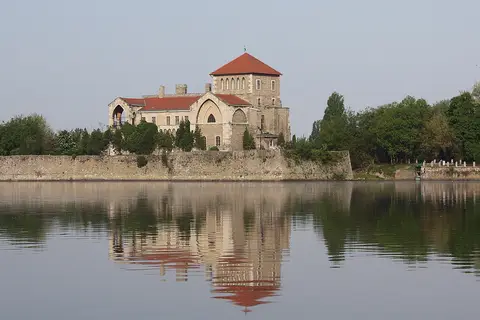
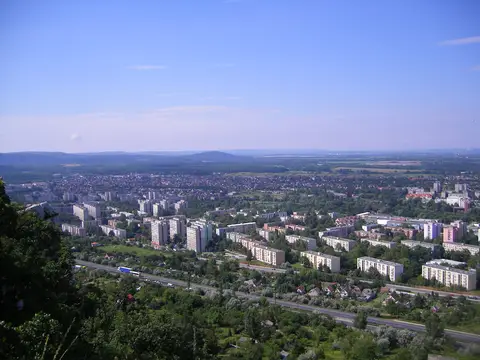
Tata, just a few minutes from the highway yet surprisingly quiet, is known as the town of waters: the Old Lake with the moated castle on its shore, springs, canals, and old mills shape the townscape, and in autumn thousands of wild geese rest on the lake. Tatabánya, formerly a mining town, is overlooked by the Turul Monument, a huge bronze bird perched on a rock above the town. Komárom lies opposite Komárno in Slovakia and is home to Monostor Fortress, one of the largest 19th-century fortress complexes in Central Europe, now open for guided tours.
Hiking and the Best Time to Visit
The Gerecse and Vértes hills offer hiking trails, castle ruins, and caves. Afterward, you can admire goldsmith work and medieval panel paintings in the Basilica Treasury and the Christian Museum in Esztergom. The food is hearty, with fish soup from the Danube, game dishes from the forests, and wines from the small Neszmély wine region, known for its crisp white wines. The M1 motorway and the railway connect Tatabánya and Komárom with Budapest and Vienna; Esztergom can be reached by train or boat. The best time to visit is April to October, or late autumn for the goose migration at the Old Lake.