
Discovering Hanover: Herrenhausen, Maschsee and the Trade Fair
Travel guide · editorialA red line painted on the pavement leads visitors along more than four kilometers to all of Hanover's key sights – a simple idea, typical of the low-key capital of Lower Saxony. A city break in Hanover takes you to world-class Baroque gardens, a lake in the middle of the city and a lively culture and pub scene in Linden.
Guelphs and a World Fair
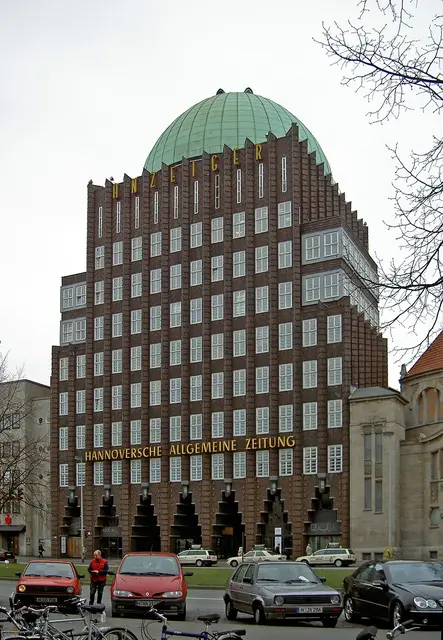
The Guelphs made Hanover a royal residence in the 17th century. From 1714, the Electors of Hanover also ruled Great Britain in a personal union, and the connection lasted until 1837. The philosopher Gottfried Wilhelm Leibniz worked here as court librarian. The city was heavily destroyed in World War II and rebuilt in a modern style. Today Hanover is a trade fair city: the Hannover Messe is one of the largest industrial fairs in the world, and Expo 2000 was held here.
Sights in Hanover
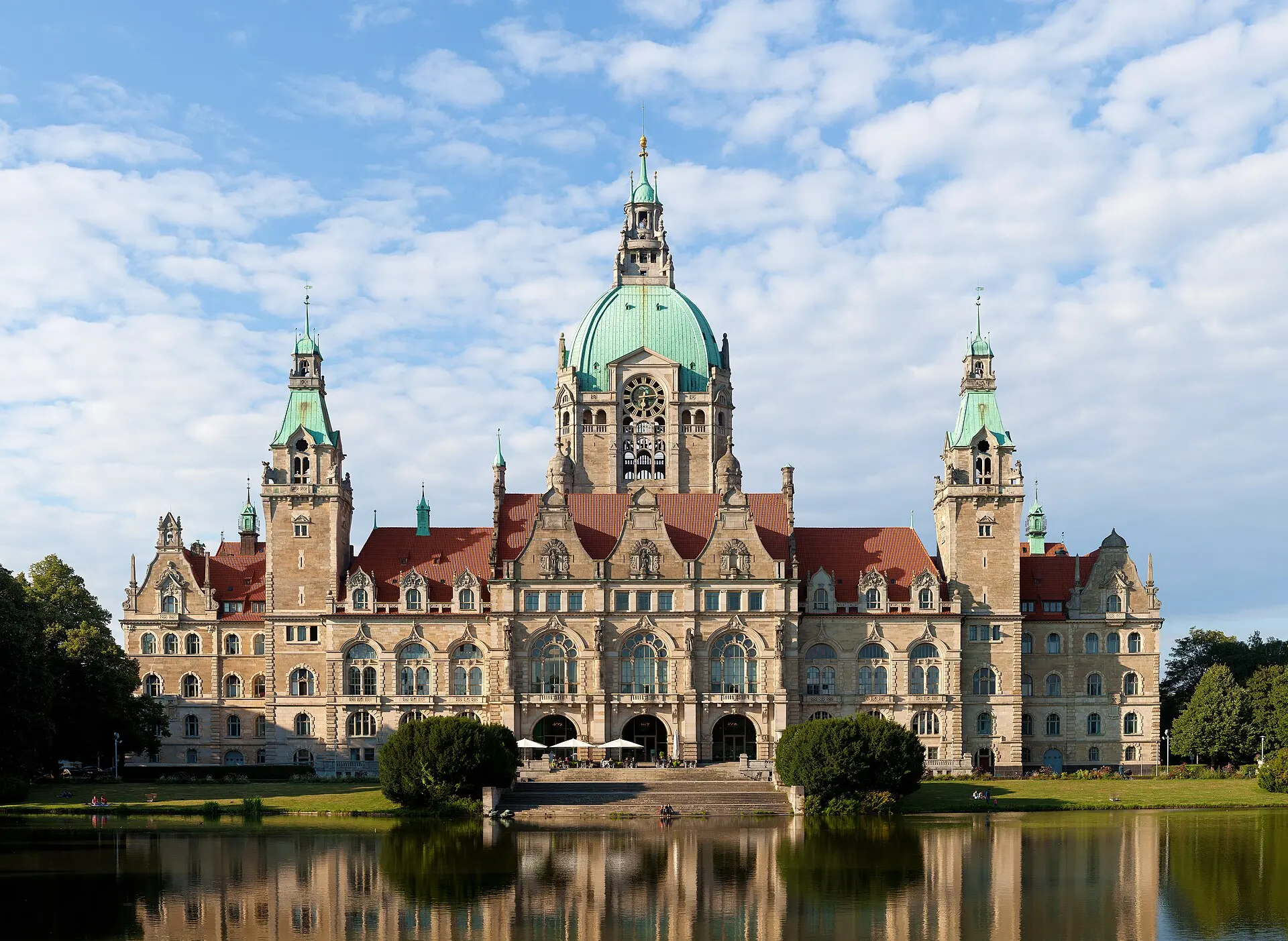
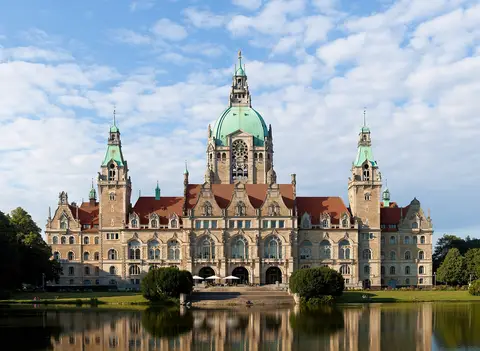
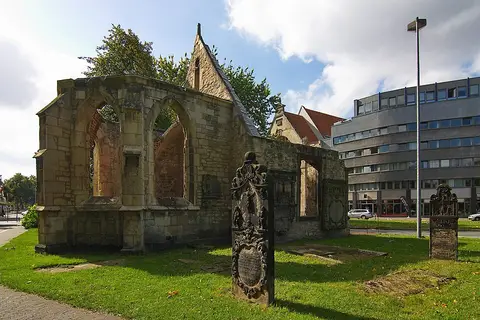
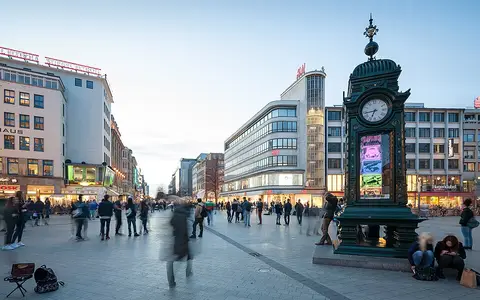
The red line begins at Ernst-August-Platz in front of the main train station. The New Town Hall, a magnificent building from 1913, has an arched elevator that travels diagonally up inside the dome; in the hall, city models show Hanover before and after the war. The Market Church, the Old Town Hall and the Leibniz House in Mitte recall the old Hanseatic city, while the Leine Palace is now home to the state parliament. On the Hohes Ufer along the Leine stand the colorful Nanas by Niki de Saint Phalle, who felt a close bond with the city and donated many works to it.
Herrenhausen Gardens and Maschsee
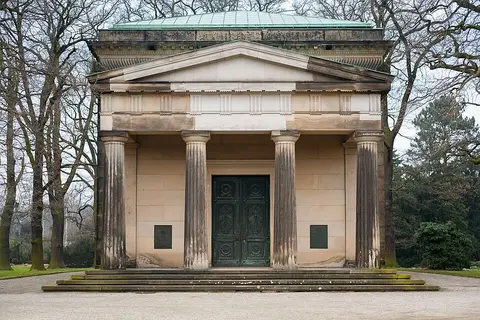
The Herrenhausen Gardens are among the most important historic garden complexes in Europe. The Great Garden is a Baroque pleasure garden with hedges, statues and a fountain that shoots up to 70 meters high. The grotto was designed by Niki de Saint Phalle with mirrors and glass. In summer, fireworks competitions and theater performances take place here. South of the city center, the Maschsee, an artificial lake from the 1930s, invites you to go sailing, paddle-boating and strolling; in August the city celebrates the Maschsee Festival.
Museums, Neighborhoods and Food
The Sprengel Museum shows 20th-century art, including works by Kurt Schwitters, a native son of the city, while the State Museum presents nature and art. Linden-Mitte and Linden-Nord, former working-class districts west of the Leine, are now colorful nightlife neighborhoods with pubs and kiosks, while List and the Oststadt, with their late-19th-century buildings, are popular residential areas. Hanover's cuisine is down-to-earth: kale with Bregenwurst sausage in winter, Lüttje Lage, a drinking ritual in which beer and schnapps are sipped at the same time, and asparagus in spring.
Getting Around and Best Time to Visit
The airport lies to the north and is connected to the main train station by S-Bahn in about 20 minutes. Hanover is a major rail hub, and Berlin and Hamburg are quickly reached. Light rail, S-Bahn and buses cover the city well. The best time to visit is May to September; in June the city celebrates the Schützenfest, one of the largest shooting festivals in the world. Day trips lead to Lake Steinhude, Lower Saxony's largest lake, to the Harz Mountains and to Hildesheim, whose cathedral and St. Michael's Church are UNESCO World Heritage sites. Celle, with its half-timbered lanes, and the Lüneburg Heath, which blooms purple in August, are also easy to reach by train.