About Frankfurter Römer
Frankfurt's Römer is the historic heart of the city and home to the oldest city hall in Germany. As a central site of the city's history and government, it draws visitors from around the world, who come to experience the roots of German democracy and Frankfurt's rich past as an imperial city. The square itself is shaped by a mix of medieval architecture and Baroque elegance that reflects the character of the former Free Imperial City.
At the center of the Römerberg stands the city hall, whose history reaches back to the Middle Ages. The building was erected in the 14th century and served for centuries as the seat of the Frankfurt city council. The architecture of the Römer is an impressive example of the transition from the late Middle Ages to the Renaissance. The façade shows a harmonious blend of Gothic elements and later Baroque additions, which give the building its majestic appearance today.
A particular highlight is the so-called city hall tower, also known as the Imperial Coronation Tower. German emperors were crowned from here, which makes the Römer one of the most important places in German history. The tower offers an impressive view over the rooftops of the Old Town and the skyline of Frankfurt, the modern financial metropolis. The contrast between the historic walls and the glass high-rises in the background is a striking picture of the city's development.
Inside the city hall are several historic halls that are open to visitors. The large council hall is especially worth seeing, as it is still used for city assemblies today. The ceiling is decorated with elaborate frescoes depicting scenes from the city's history. The small council hall and the chamberlains' rooms also offer a glimpse into Frankfurt's administrative tradition. The furniture and furnishings date mostly from the 16th and 17th centuries and underscore the historic character of the rooms.
Beyond the city hall itself, the Römerberg is home to other significant buildings. The Old City Hall, also known as the Römerberg Museum, houses an exhibition on the history of the city. Here visitors learn more about Frankfurt's role as an imperial city, the importance of the trade fairs, and the city's evolution into a modern metropolis. The exhibitions are didactically designed and aimed at a broad audience, from school groups to international tourists.
Römerplatz is also home to the city's landmark, the Eiserner Steg. This monument recalls the imperial coronations and the city's significance for German history. It is a popular photo spot and a symbolic setting for events and celebrations. The square itself is a public space used for markets, festivals, and political gatherings.
The area around the Römerberg is characterized by narrow alleys and historic houses that give a vivid impression of the medieval cityscape. In the surrounding shops and cafés, you can enjoy the atmosphere of the Old Town. Many of the buildings are protected landmarks and have been carefully restored to preserve their historic character. The alleys invite you to stroll and explore, and offer a welcome change from the hustle and bustle of downtown.
The Römer is also an important venue for political events. Press conferences, demonstrations, and political gatherings take place here regularly. As the seat of the magistrate and the city parliament, the Römer is the center of city politics. Here you can witness the work of the city administration up close and gain insight into the decision-making processes of local government.
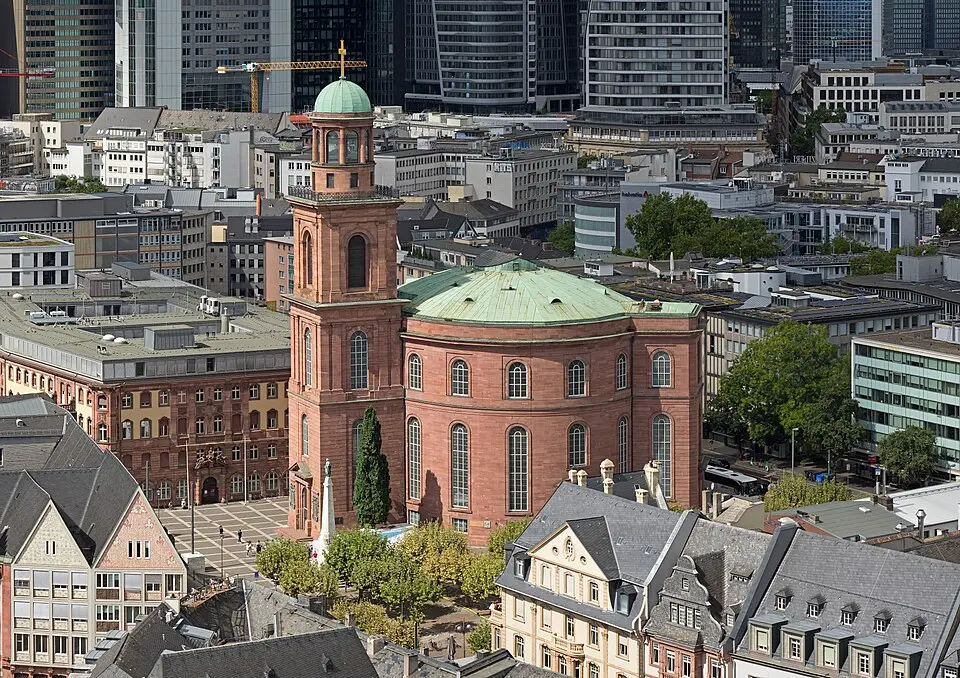
The importance of the Römer for German history becomes especially clear through its connection to St. Paul's Church, which lies just a few minutes' walk away. While the Römer stands for the history of the city, St. Paul's Church is the home of German democracy. Together, the two buildings form a historic ensemble that reflects Germany's political and cultural development. A visit to both sites is a must for anyone interested in German history.
Today the Römer is a living place that unites history and modernity. It is not just a museum but a place where the city's history is still being lived. The combination of historic buildings, cultural events, and political life makes the Römer a unique experience. Here you can experience the past up close while also catching a glimpse of the city's future. The Römer is a symbol of the continuity and change that Frankfurt has undergone over the centuries.
In conclusion, Frankfurt's Römer is far more than just a historic building. It is a place of encounter, remembrance, and political participation. The careful preservation of its historic fabric and the active use of the site for current events make it a living part of the city. A visit to the Römer is a journey through German history and an experience that stays with you for a long time. The city of Frankfurt has managed to preserve this historic treasure while opening it up to the future, which makes the Römer one of the city's most important attractions.
At a glance
- Category
- Sight › Historic sites
- Rating
- no reviews yet · write a review
- Address
- Römerberg 23
60311 Frankfurt, Germany - District
- Altstadt
- Phone
- +496921201
- Website
- www.frankfurt.de
- —
- Coordinates
- 50.11053° N · 8.68181° E
- Data quality
- confidence 0.76
- Identifier
- ID 0b3a25e5-43e…
Part of the tour
Frankfurt in a Day: Old Town, Goethe and the Museum Embankment →Location & surroundings
Toggle layersRatings & comments
none yetNear Frankfurter Römer
closest 5 per category · 2 kmSights
Restaurants
Museums
Hotels
More:Historic sites in Frankfurt (155)Sights in Altstadt (32)All sights in Frankfurt (198)
300 places within 2 km loaded.
Don't miss in Frankfurt
All sights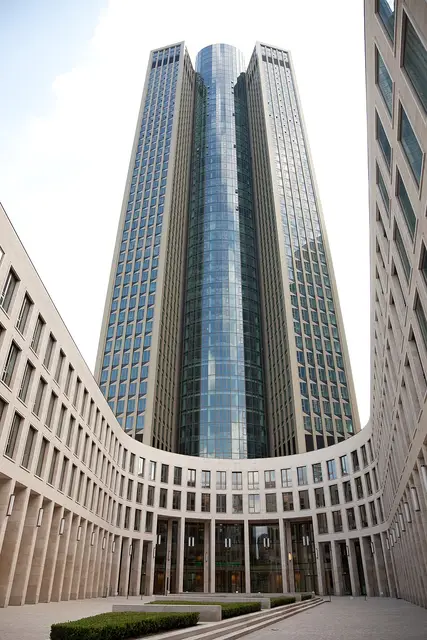 Historic sites01
Tower 185
Friedrich-Ebert-Anlage 35 · Frankfurt● Website● Phone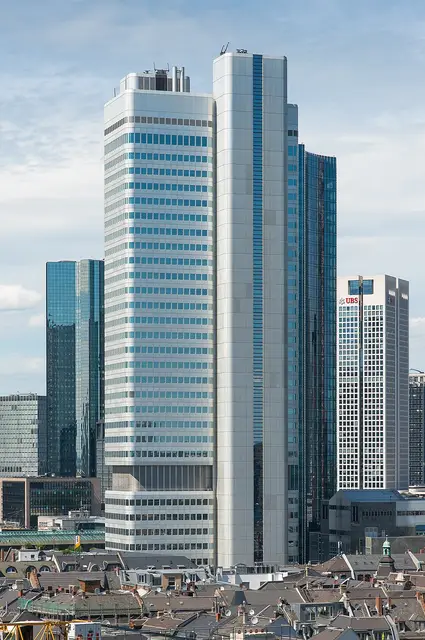 Historic sites02
Silberturm
Silver Tower, Jürgen-Ponto-Platz 1 · Frankfurt● Website● Phone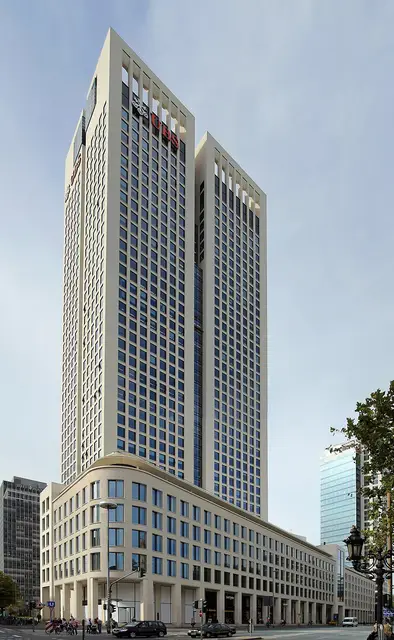 Historic sites03
OpernTurm
Bockenheimer Landstraße 2 · Frankfurt● Website● Phone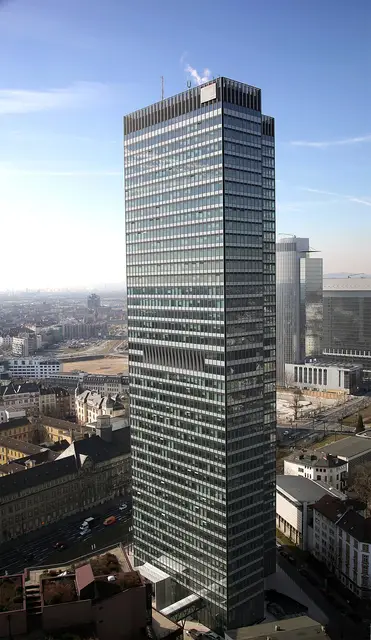 Historic sites04
You need a free account to leave reviews and photos – that keeps comments genuine and lets you edit them later.