Discover Frankfurt: Skyline, Römer, and Ebbelwoi
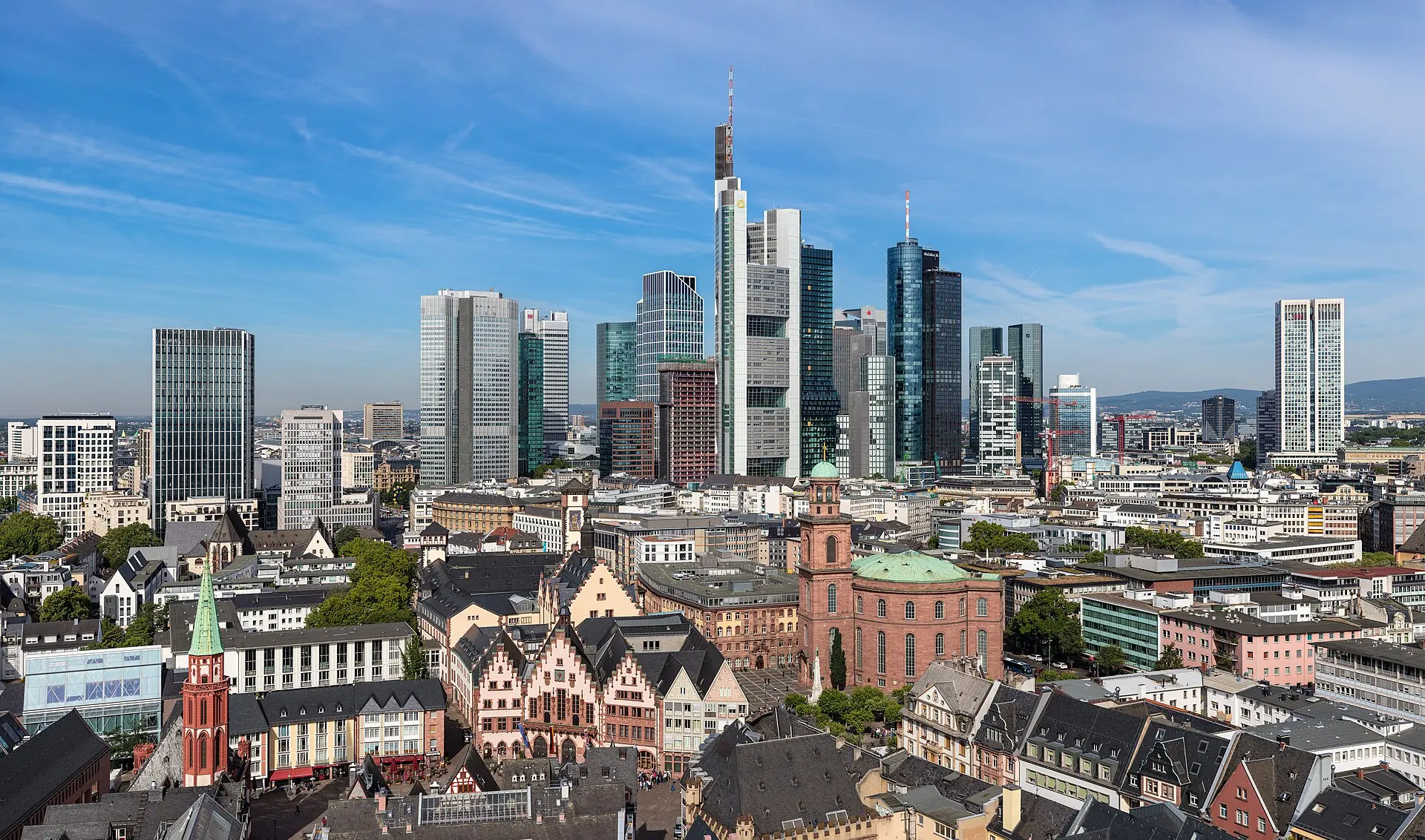
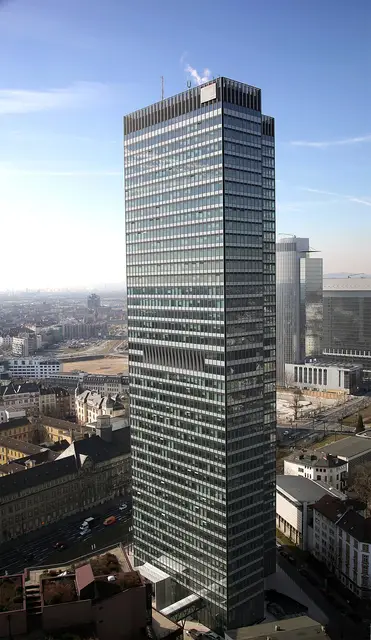
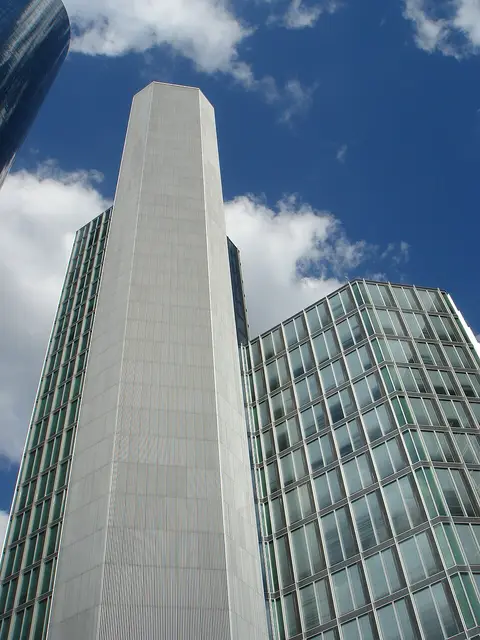
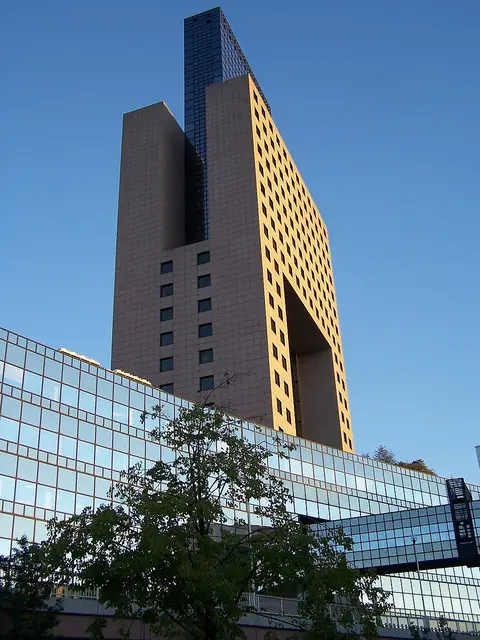
Travel guide · editorialA skyline of glass bank towers right next to half-timbered houses where apple wine is poured from stoneware jugs: Frankfurt am Main is the world's smallest major city with Germany's biggest airport. A city break in Frankfurt surprises with a museum riverbank that ranks among the best in Europe and with cozy pubs in Sachsenhausen.
Coronation City and Financial Hub
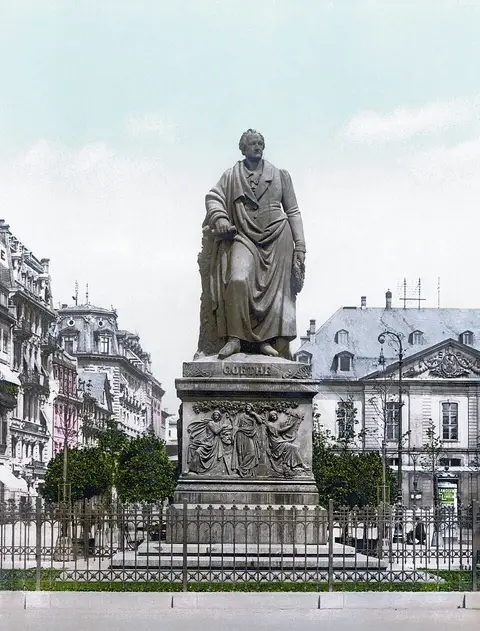
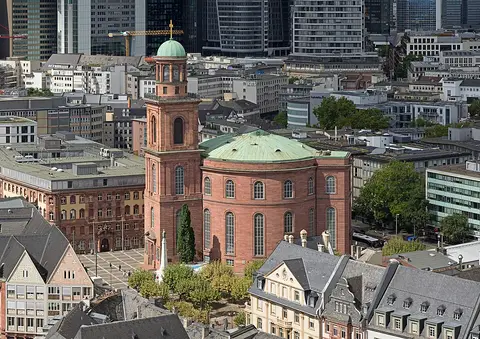
Since the Middle Ages, German kings were elected in Frankfurt, and from 1562 they were crowned here as well. The trade fair, documented as early as the 12th century, made the city wealthy. Johann Wolfgang von Goethe was born here in 1749, and in 1848 the first freely elected German parliament met in St. Paul's Church. Today the city is home to the European Central Bank, the Deutsche Bundesbank, and the stock exchange; the trade fairs, such as the Book Fair in October, attract visitors from around the world.
Sights in Frankfurt
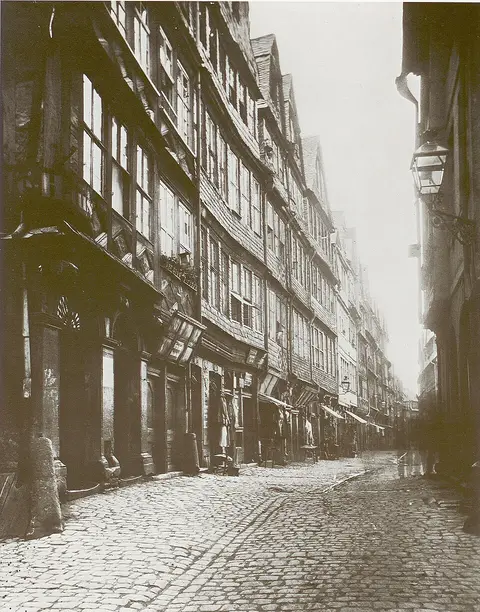
The Römerberg with the Römer city hall and the half-timbered houses of the Ostzeile is the heart of the Old Town. Behind it, the "New Old Town" between the cathedral and the Römer has been reconstructed as an ensemble of historic houses. The Imperial Cathedral of St. Bartholomew, where kings were elected and crowned, offers a good viewpoint from its tower. Along the Main, the Eiserner Steg footbridge leads to Sachsenhausen, and from the Main Tower you can look out over the skyline from nearly 200 meters up. The Goethe House on Großer Hirschgraben shows how the poet grew up, and St. Paul's Church is a memorial to democracy. The Palmengarten, the zoo, and the shopping street Zeil are also popular.
Museum Riverbank
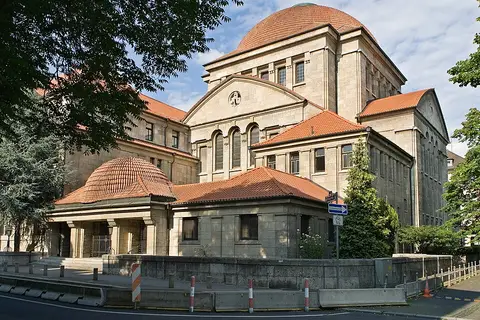
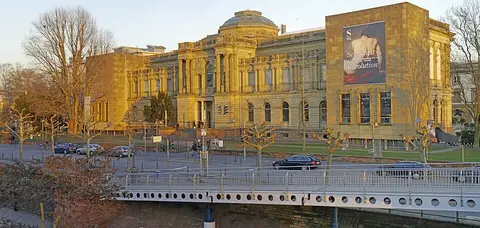
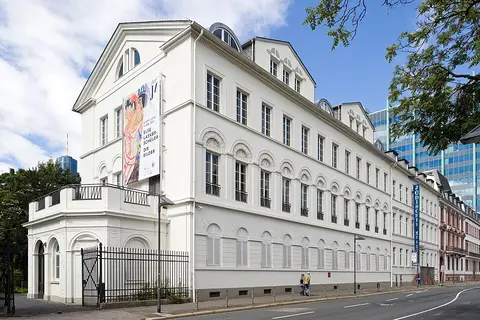
Museums line up along the Sachsenhausen bank of the Main: the Städel shows art from Holbein and Rembrandt to Gerhard Richter, and the Liebieghaus presents sculpture from antiquity to Neoclassicism. Also here are the German Film Museum, the Museum of Applied Arts, and the German Architecture Museum. On the opposite bank are the Historical Museum, the Jewish Museum, and the Schirn Kunsthalle. In August the city celebrates the Museumsuferfest with music and stalls. A Museumsufer ticket is valid for two days at all participating museums. The Alte Oper, destroyed in the war and rebuilt by the city's citizens, is now a concert hall.
Neighborhoods and Nightlife
In Sachsenhausen you'll find the traditional apple wine taverns, and in the Alt-Sachsenhausen area, some loud bars as well. The Nordend and Bornheim, with Berger Straße, are relaxed residential neighborhoods with cafés, while Bockenheim, home to the old university, has a student vibe. The Bahnhofsviertel (station district) is rough, with a drug scene, but also has bars and international restaurants that rank among the most exciting in the city. The Westend is lined with villas and the university campus in the IG Farben building. In the Gallus district, the Europaviertel is growing.
Eating in Frankfurt
Apple wine, "Ebbelwoi," is drunk from a ribbed glass and poured from a blue Bembel jug. Typical dishes include Green Sauce made from seven herbs, served with potatoes and eggs; Handkäs mit Musik (sour milk cheese with onions and vinegar); smoked pork ribs with sauerkraut; and Frankfurter sausages. Thanks to the city's international population, restaurants in Frankfurt are diverse, from Ethiopian to Korean. The Kleinmarkthalle in the city center offers delicatessen items, fruit, and regional specialties. For something sweet, the Frankfurter Kranz is well known, a buttercream cake with brittle.
Getting Around and Best Time to Visit
The airport is one of the largest in Europe; S-Bahn and regional trains take only about 15 minutes to reach the city center, and ICE trains depart from the airport's long-distance station for many cities. The U-Bahn, S-Bahn, trams, and buses cover the city. The best time to visit is from April to October, when you can sit by the riverbank; in Advent, the Christmas market on the Römerberg is a draw. Day trips lead to the Rheingau, where Riesling grows on steep slopes and Eberbach Abbey invites you to wine tastings; to the Taunus with the Großer Feldberg and the reconstructed Roman fort Saalburg; to Wiesbaden; to Darmstadt with the Mathildenhöhe, an Art Nouveau artists' colony and UNESCO World Heritage site; and to Heidelberg. In summer, excursion boats cruise up and down the Main from the Eiserner Steg. If you only have a layover at the airport, you can manage the Römerberg, the cathedral, and an apple wine in Sachsenhausen in half a day. During the major trade fairs, hotels are expensive and scarce, so it's worth looking for lodging in the surrounding area.