North Ostrobothnia: Oulu, Kuusamo, and the Coast of the Gulf of Bothnia
Travel guide · editorialNorth Ostrobothnia stretches from the flat coast of the Gulf of Bothnia to the Russian border, where the bear trails of Oulanka National Park wind through the forest. A vacation in North Ostrobothnia combines the tech city of Oulu, European Capital of Culture 2026, with sand dunes in Kalajoki and ski slopes in Ruka.
From the Coast to the Border
The region, called Pohjois-Pohjanmaa in Finnish, lies in the north of central Finland, south of Lapland. The coast along the Gulf of Bothnia is flat and shaped by land uplift: since the Ice Age, the land has been rising by almost a centimeter a year, and new islands keep emerging. Inland, vast bogs and forests stretch out, crossed by rivers such as the Oulujoki and the Iijoki. In the east, around Kuusamo, the terrain turns hilly, with fells, gorges, and rapids. About 420,000 people live here, most of them in Oulu. In the 19th century, the region was a center of the tar trade, when wood tar was brought from the forests to the coast by boat.
Sights in North Ostrobothnia
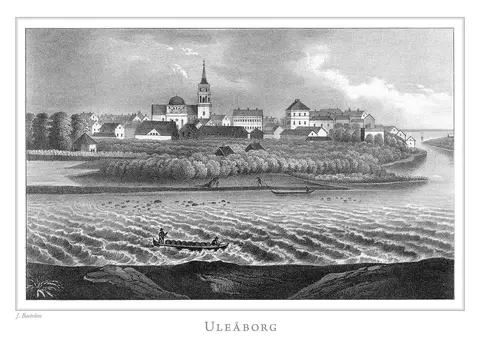
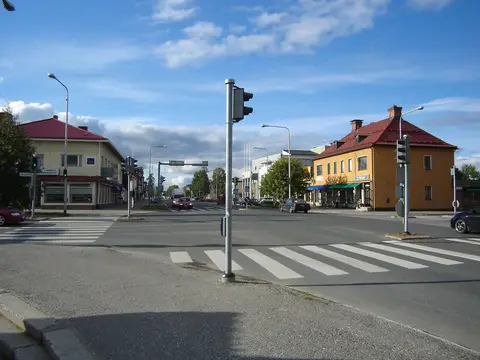
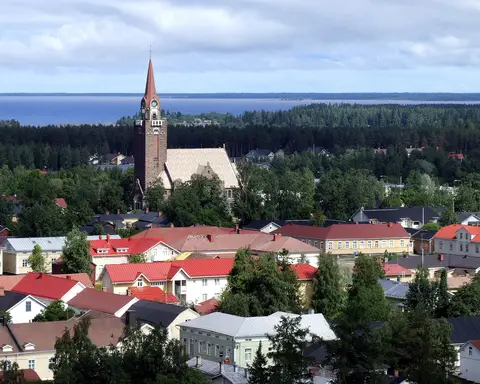
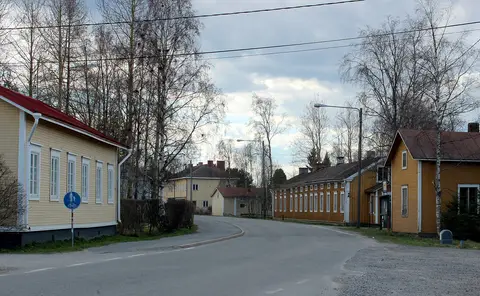
Oulu, the largest city in northern Finland, is a university and tech city with a lively cultural scene. The waterfront market square, with its "Toripolliisi" police officer statue and old warehouses, is the main meeting place, while the island of Pikisaari preserves wooden houses. Oulu is also Finland's bicycle city, with bike paths that are cleared even in winter. In 2026, Oulu holds the title of European Capital of Culture. Off the coast lies the island of Hailuoto, reached by ferry, with dunes, meadows, and a lighthouse. Raahe has one of the best-preserved wooden old towns in the country. Kalajoki is known for its wide sand dunes, the Hiekkasärkät, and is a popular beach destination. In the east, Oulanka National Park near Kuusamo is home to the famous Bear's Trail, Karhunkierros, a roughly 50-mile hiking trail that crosses suspension bridges and passes roaring rapids. Ruka is a large ski resort where the season often starts as early as October. In Pudasjärvi, the school center was built from massive timber beams, making it one of the largest log buildings in the world.
Nature Between Syöte and Rokua
Away from the well-known destinations, the region offers vast, quiet wilderness. Syöte National Park near Pudasjärvi contains the southernmost fells in Finland, with old spruce forests, wilderness huts, and a small ski area. South of Oulu lies the Rokua Geopark, recognized by UNESCO: an Ice Age landscape of dunes and eskers with reindeer lichen, pine heaths, and clear kettle lakes. Around Kuusamo, you can go rafting or paddling on the Kitkajoki and Oulankajoki rivers, and photographers watch bears, wolverines, and wolves from hides near the Russian border. In summer, Nallikari sand beach, just a few kilometers from downtown Oulu, draws visitors with its campground and beach cafés; in winter, the frozen sea in front of it becomes a cross-country ski trail.
Food, Getting There, and Best Time to Visit
Typical local foods include rieska, a flat barley bread, and salmon from the rivers. In Kuusamo, reindeer, bear, and Arctic char appear on menus, and in late summer cloudberries are picked in the bogs. Oulu is also known for its tar liqueur and tar candies. You can reach Oulu from Helsinki by train in about six hours or by plane; Kuusamo Airport (KAO) also receives flights from central Europe in winter. The best time to visit is June through September for hiking and the beach, and December through April for skiing and the northern lights, which can be seen here as well.