Lääne-Viru County: Rakvere, Manor Houses, and Lahemaa
Travel guide · editorialBetween Tallinn and the industrial northeast lies Lääne-Viru, or West Virumaa, a landscape of forests, fields, and manor estates. A trip to Lääne-Viru County leads to a vividly staged medieval order castle, to Baroque manor houses, and to the quiet bays of Lahemaa National Park.
Rakvere: Castle and Bull
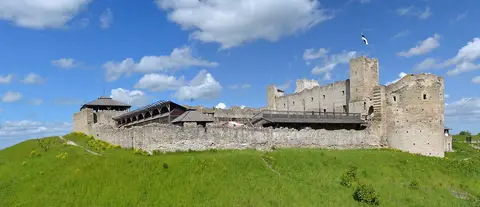
The county seat of Rakvere is overlooked by a castle ruin on a hill, once the seat of the Teutonic Order. Today it is an interactive museum where visitors can try archery, sample medieval food, and see a re-created torture chamber. Next to it, a giant bronze sculpture of an aurochs keeps watch over the town, the work of sculptor Tauno Kangro. The small old town with its wooden houses and the long-established town theater give the place its character. Rakvere is also a center of the food industry, known for its meat products. In summer, medieval festivals and concerts are held on the castle hill, drawing visitors from all over the country.
The county is rural in character, with large expanses of farmland on fertile limestone soil. In the 18th and 19th centuries the land belonged to Baltic German noble families, who built numerous estates; after the land reform of 1919 many fell into disrepair, while others have been painstakingly restored in recent decades. Kunda on the coast is an old cement town whose Stone Age finds are among the oldest traces of settlement in Estonia. At local inns, you'll find sauerkraut with pork, black bread, and smoked fish from the coastal villages on the menu.
Sights in Lääne-Viru
A large part of Lahemaa National Park lies within the county, with the Käsmu and Pärispea peninsulas, fishing villages such as Altja, and limestone erratics on the beach. The heart of the park is its manor houses: Palmse, a restored Baroque estate of the von der Pahlen family with a park and ponds; Sagadi with its forestry museum; and Vihula with its mills and park. Käsmu, a former captains' village, has a small maritime museum. In the south, near Väike-Maarja and Porkuni, you'll find a castle ruin by a lake and a limestone museum that explains the region's geology.
Getting There and Best Time to Visit
Rakvere lies on the railway line and the road from Tallinn to Narva, and by train or bus you can get there in a good hour and a half. The best way to reach the national park is by car or bicycle, as buses are infrequent. The best time to visit is from May to September; in fall the forests change color, and the manor parks grow quiet.