Zlín Region: Bata Town, Wallachia and Spa Towns
Travel guide · editorialIn the east of the Czech Republic, on the border with Slovakia, you'll find a model functionalist city, a World Heritage castle and villages of timber houses. A trip to the Zlín Region combines the Bata town of Zlín with the gardens of Kroměříž, the spa town of Luhačovice and the folk culture of Moravian Wallachia.
Landscape and Location
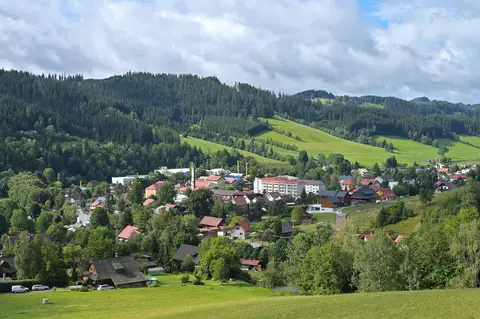
The Zlín Region, Zlínský kraj, covers the southeast of Moravia. To the north lies Moravian Wallachia with the Beskids and the Javorníky Mountains; to the south are the White Carpathians, a biosphere reserve with orchid meadows. In between stretch the Chřiby Mountains and the Morava River valley with its vineyards, which belongs to Moravian Slovakia. The region is rich in folk culture, with costumes, songs and festivals that have stayed alive in the villages.
Zlín and Kroměříž
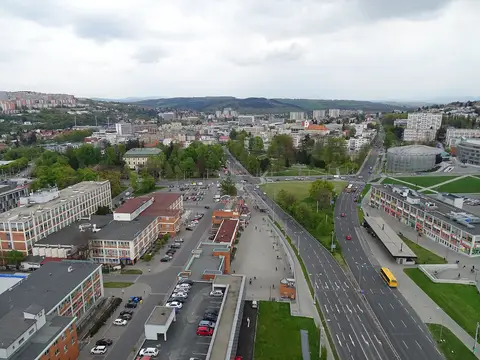
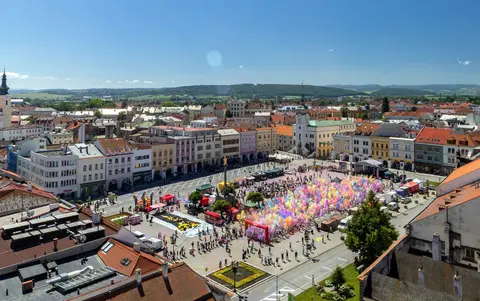
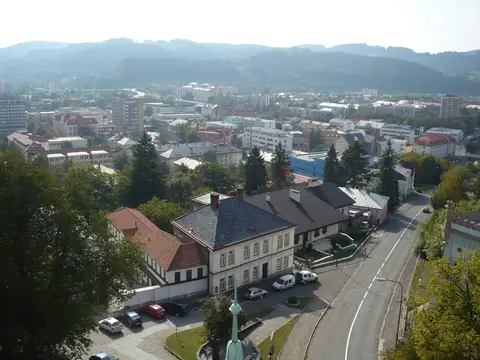
Zlín owes its rise to Tomáš Baťa, who built a shoe empire here starting in 1894. Around the factory grew a garden city of red brick houses and a modern downtown in the functionalist style. Administrative Building No. 21, at the time one of the tallest buildings in Europe, has an office elevator in which the boss sat. The Shoe Museum and the Baťa cultural complex tell the story. A major children's and youth film festival takes place at the end of May. Kroměříž was the summer residence of the Bishops of Olomouc; the castle with its halls and the gardens, the Flower Garden with its colonnade and the Castle Garden, are a World Heritage site. The library and the picture gallery with a work by Titian are highlights.
Sights in the Zlín Region
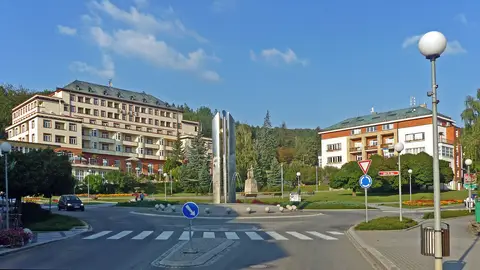
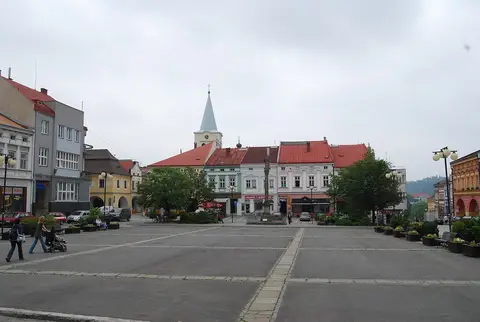
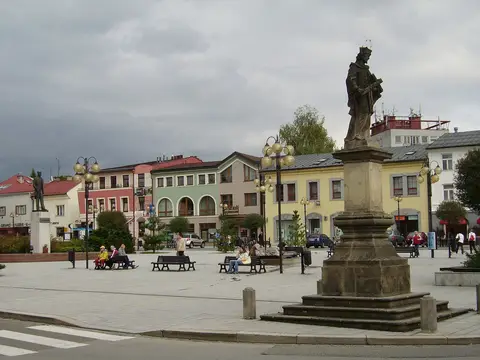
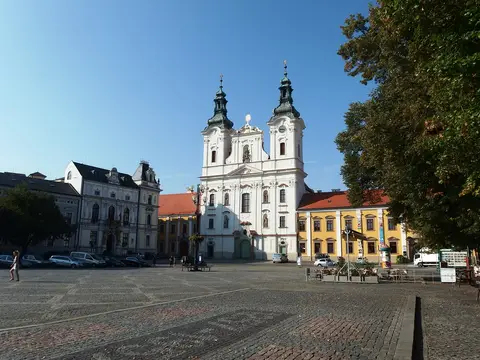
Luhačovice is one of the best-known spa towns in the Czech Republic, with Art Nouveau spa houses by Dušan Jurkovič and mineral springs whose water helps with respiratory ailments. In Rožnov pod Radhoštěm, the Wallachian Open-Air Museum shows timber houses, windmills and an entire village; it is one of the oldest open-air museums in Central Europe. Nearby is Radhošť with its statue of the Slavic god Radegast. Valašské Meziříčí has two castles and tapestry workshops. Vsetín is a center of Wallachia with a castle. Velké Karlovice is a resort village with a wooden church and hiking trails. Uherské Hradiště stands on the site of a Great Moravian settlement; nearby Velehrad is an important pilgrimage site dedicated to Cyril and Methodius.
Nature and Active Vacations
The Beskids and the Javorníky are crisscrossed by hiking and cycling routes leading to wooden churches, lookout towers and mountain huts. In the White Carpathians, dozens of orchid species grow in the meadows, and parts of the landscape are still tended with scythes. Excursion boats ply the Baťa Canal, a historic irrigation and shipping canal on the Morava River between Otrokovice and Hodonín.
Food, Getting There and Best Time to Visit
Wallachia is famous for slivovitz, plum brandy that many families distill themselves. It comes with frgál, large Wallachian pies filled with plums, pears or farmer's cheese, kyselica, a sauerkraut soup, and sheep's cheese. Wine is grown in Moravian Slovakia. There are no airports in the region; Brno and Ostrava are each about an hour away. Zlín can be reached by train via Otrokovice, and a car is helpful for the villages. The best time to visit is from May to October; in May, Vlčnov celebrates the Ride of the Kings, a UNESCO cultural heritage tradition.