Moravian-Silesian Region: Ostrava and the Beskids
Travel guide · editorialIn the northeast of the Czech Republic, on the border with Poland and Slovakia, blast furnaces meet wooden churches and mountain forests. A trip to the Moravian-Silesian Region takes you to the industrial heritage site of Dolní Vítkovice in Ostrava, to the peaks of the Beskids, and into the Jeseníky Mountains.
Landscape and Location
The region, Moravskoslezský kraj, covers the Czech part of Silesia and the northeast of Moravia. In the west rise the Hrubý Jeseník mountains, with Praděd, the highest peak in Moravia. Near Malá Morávka and Karlova Studánka you'll find ski lifts and spa towns in the mountains. To the southeast stretch the Moravian-Silesian Beskids with Lysá hora and Radhošť, and to the east lies the Ostrava Basin, where coal shaped society and landscape for two centuries. The Oder River rises in the region and flows into Poland near Bohumín.
Ostrava and the Industrial Region
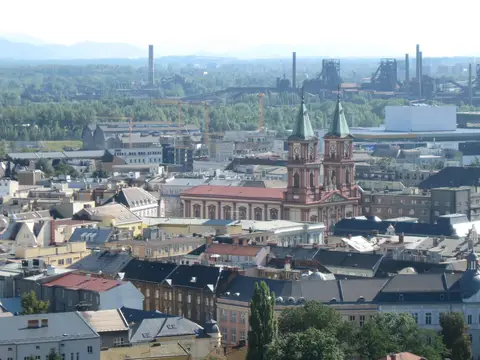
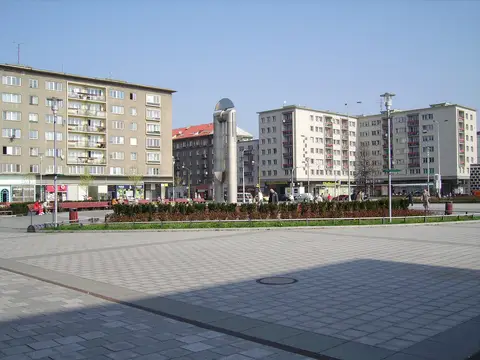
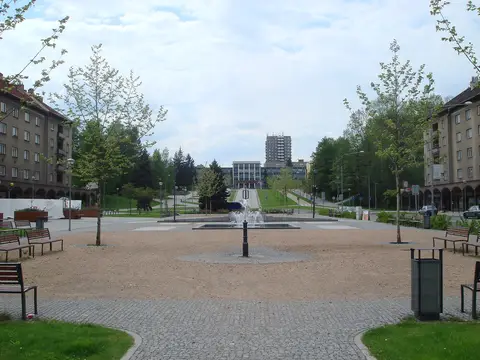
Ostrava is the third-largest city in the Czech Republic. The Dolní Vítkovice site, a decommissioned ironworks with a blast furnace and gasometer, is now a cultural center with a concert hall, a technology museum, and the Colours of Ostrava festival in summer. From the Bolt Tower atop the blast furnace you can look out over the city. At the Landek Mining Museum you descend into a mine shaft. Stodolní Street is known for its many bars. Havířov was built in the 1950s as a socialist planned city for miners, with architecture in the style of socialist realism. Karviná has a castle and a crooked church tower tilted by mining subsidence; a Polish minority lives here. Frýdek-Místek is the gateway to the Beskids.
Sights in the Moravian-Silesian Region
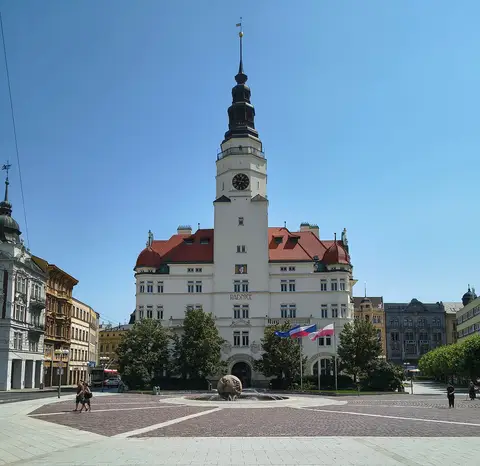
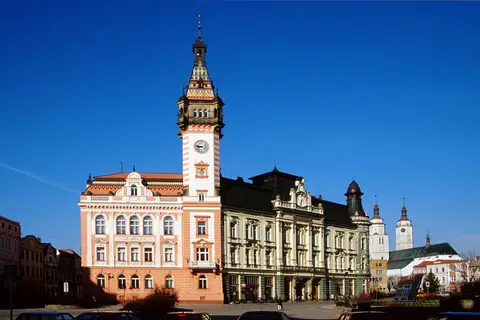
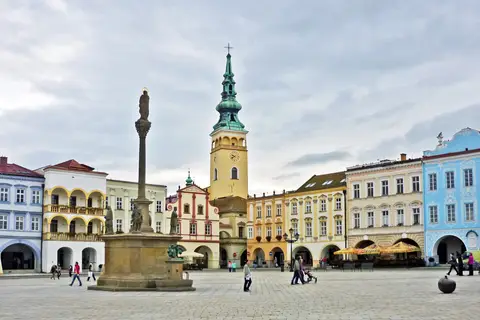
Opava was the capital of Austrian Silesia and is home to the Silesian Museum, the oldest museum in the Czech Republic. Nearby is Hradec nad Moravicí Castle, where Beethoven and Liszt were guests. Kopřivnice is the home of the Tatra works, whose museum displays trucks and cars, and Štramberk is a small hill town with a tower and its famous spiced "ear" gingerbread. Nový Jičín is a hat-making town. In the east, in the Těšín region, Poles and Czechs live side by side. The Beskids offer hiking trails to wooden churches and lookout towers; on the Pustevny saddle stand wooden buildings by Dušan Jurkovič. Krnov was a center of textile production and organ building.
Nature and Active Travel
The Beskids are a popular hiking area with marked trails to wooden churches, mountain huts, and lookout towers; Lysá hora is considered one of the rainiest places in the country. In the Jeseníky Mountains, a road leads almost to the summit of Praděd, whose tower offers far-reaching views across Moravia on clear days. In winter, ski areas in the Beskids and the Jeseníky invite you to hit the slopes, and in summer the Slezská Harta reservoir offers swimming.
Food, Getting There, and Best Time to Visit
The cuisine is hearty: Silesian dumplings, sauerkraut, sausage, plus sheep's cheese from the Beskids and frgál, large pastries from Wallachia. The beer comes from Ostrava and Nošovice, where Radegast is brewed. Ostrava Airport has few connections; Katowice and Kraków are nearby. Express trains run from Prague to Ostrava in about three hours. The best time to visit for hiking is May to October, and for skiing in the Jeseníky and the Beskids, December to March.