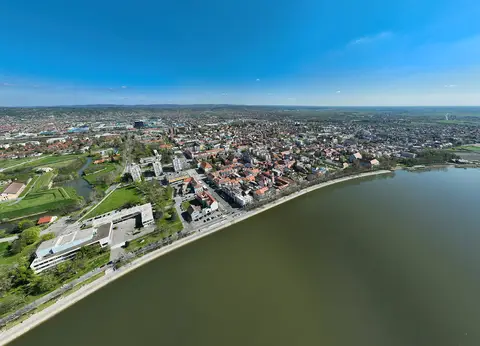
Brod-Posavina: Fortress on the Sava and Slavonia
Travel guide · editorialBrod-Posavina County lies in the south of Slavonia, along the Sava River, which forms the border with Bosnia and Herzegovina here. A trip to Brod-Posavina takes you to one of the largest fortresses of the Habsburg Monarchy, to wine-growing areas on the slopes of the Dilj Mountains, and to villages where old folk traditions are still kept alive. The region lies right on the highway between Zagreb and Belgrade.
Landscape and Location
The county is a long, narrow strip between the Sava in the south and the hills of Dilj, Psunj, and Požeška Gora in the north. The river floodplains offer pastures and riparian forests, while the slopes are covered with orchards and vineyards. Slavonski Brod is the largest city and Nova Gradiška in the west is the second largest; across the Sava from Slavonski Brod lies Brod in Bosnia. The Sava's floodplain forests provide habitat for storks, herons, and beavers. Nova Gradiška, a planned garrison town of the Military Frontier, is the starting point for hikes up Psunj, and on the slopes of Dilj, trails lead through vineyards and oak forests to viewpoints over the Sava plain.
Sights in Brod-Posavina
Brod Fortress was built in the 18th century as part of the Military Frontier against the Ottoman Empire and is one of the largest complexes of its kind in Europe; parts of it have been restored and now house museums and event spaces. The Sava riverfront promenade invites leisurely strolls, and the town's Franciscan monastery is one of the oldest buildings in Slavonia. Wineries can be found in Brodski Stupnik and on the slopes of Dilj. The fairy-tale author Ivana Brlić-Mažuranić lived and wrote in Slavonski Brod, and the poet Dragutin Tadijanović came from a village nearby; memorials commemorate both. In summer, the Brodsko Kolo folklore festival takes place, one of the oldest in Croatia, with parades in traditional costume and tamburica music.
Food, Getting There, and Best Time to Visit
The cuisine is Slavonian: kulen and kobasica made from paprika and pork, fish stew from the Sava, sarma, and sweet strudels. You wash it down with Graševina wine or šljivovica, the plum brandy. The A3 highway and the Zagreb–Vinkovci rail line run through the county. The best times to visit are May, June, and September.