Discovering Sarajevo: Baščaršija, Bridges, and Remembrance
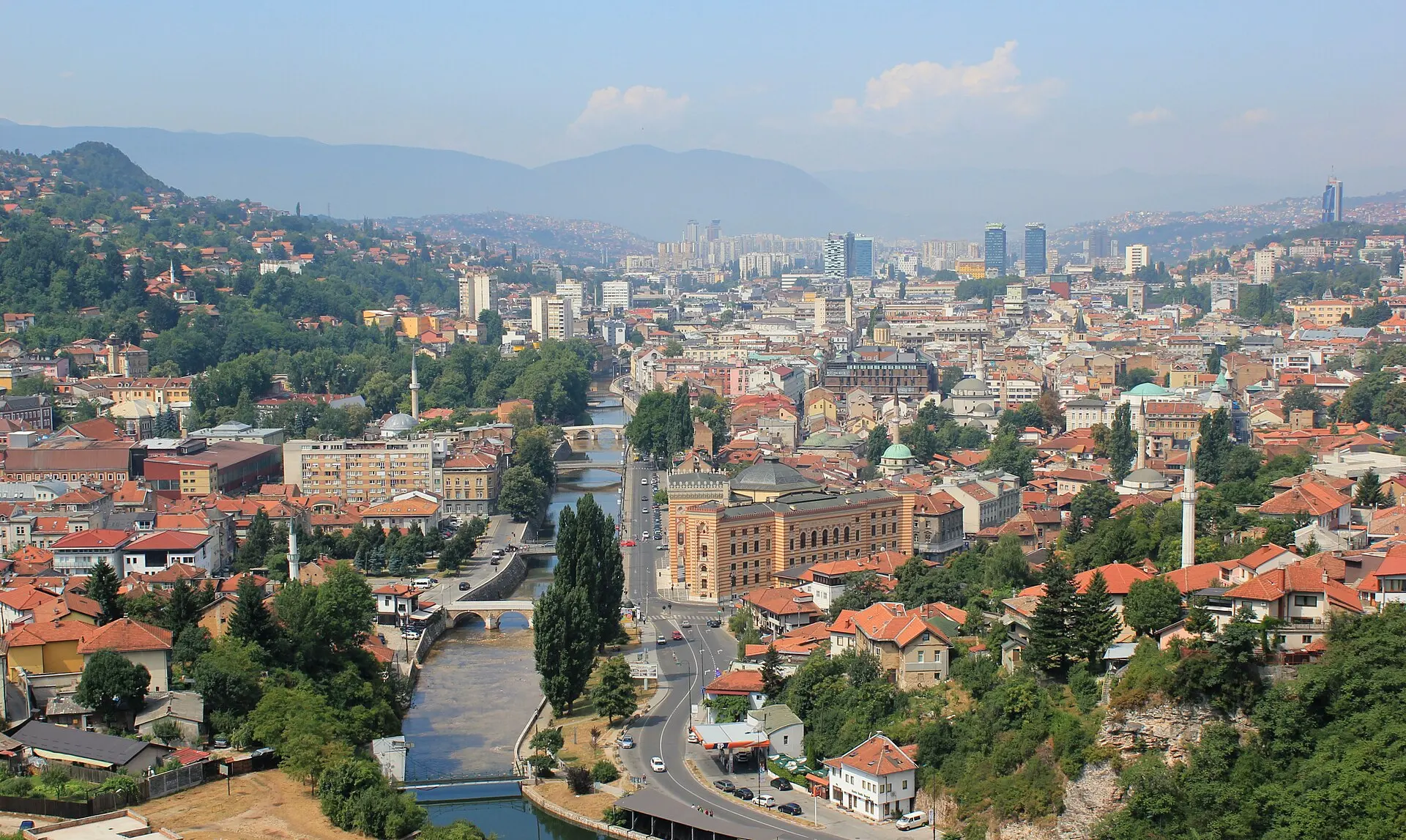
Travel guide · editorialIn Sarajevo, you can visit a mosque, a Catholic cathedral, an Orthodox church, and a synagogue on a single walk – no wonder the city has been called the Jerusalem of Europe. A city break in Sarajevo takes you through Ottoman alleys and Habsburg boulevards, past the scars of war, and into a lively café and film culture.
Between East and West
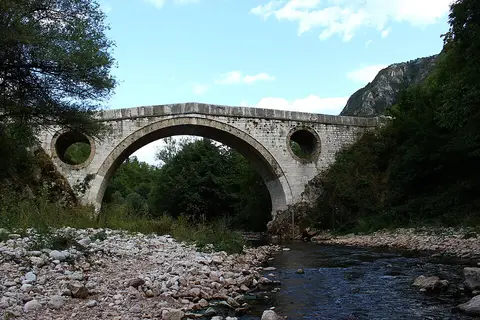
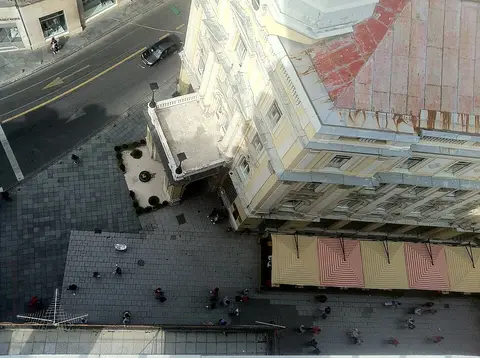
The Ottomans founded Sarajevo in the 15th century in the narrow valley of the Miljacka, and in the 16th century the governor Gazi Husrev-beg had a mosque, bazaar, caravanserai, and schools built. In 1878 the city came under Austro-Hungarian administration, and grand Habsburg-style buildings rose alongside the wooden stalls. On Ferhadija Street, a line in the pavement marks the transition between the two worlds. On June 28, 1914, Gavrilo Princip shot Archduke Franz Ferdinand and his wife at the Latin Bridge, an assassination that triggered World War I. In 1984 Sarajevo hosted the Winter Olympics, and just eight years later a nearly four-year siege began during the Bosnian War, the longest siege of a capital city in modern history.
Sights in Sarajevo
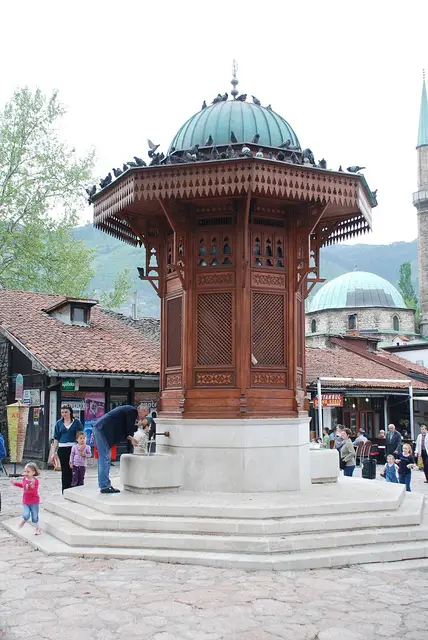
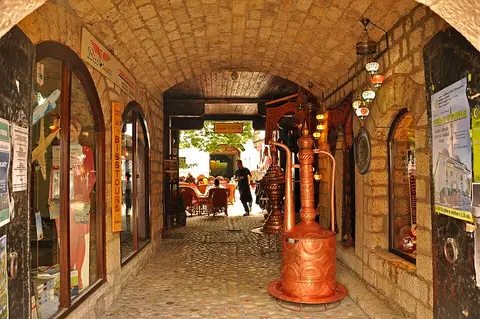
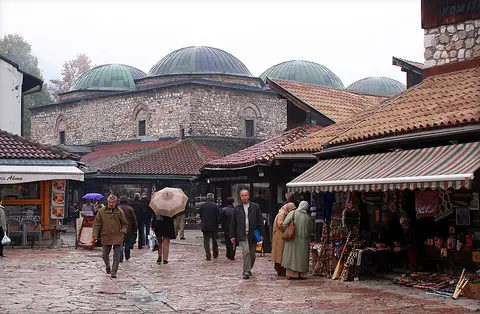
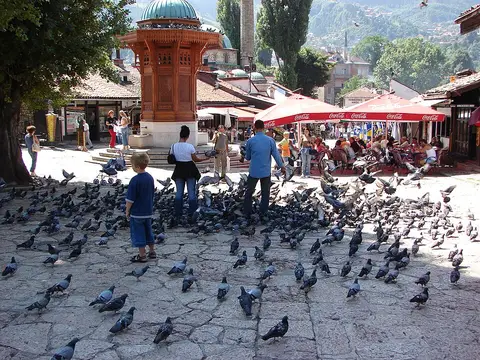
The heart of the Old Town is Baščaršija, with the wooden Sebilj fountain, around which pigeons gather, and lanes full of coppersmiths, carpet dealers, and cafés. The Gazi Husrev-beg Mosque, built in 1531, is the most important Ottoman mosque in the Balkans. A few steps away are the Sacred Heart Cathedral, the Old Orthodox Church, and the Old Synagogue, now a Jewish museum. The magnificent Vijećnica city hall, built in the Moorish Revival style, burned down along with the National Library in 1992 and reopened in 2014. The National Museum houses the Sarajevo Haggadah, a medieval Jewish manuscript from Spain that was hidden and saved several times during the wars. Since 2018, a cable car has once again run up Mount Trebević, where the remains of the Olympic bobsled track, covered in graffiti, wind through the forest.
Remembering the Siege
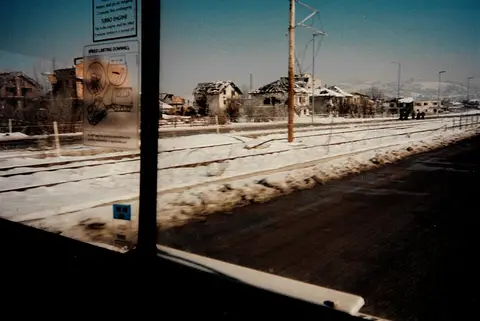
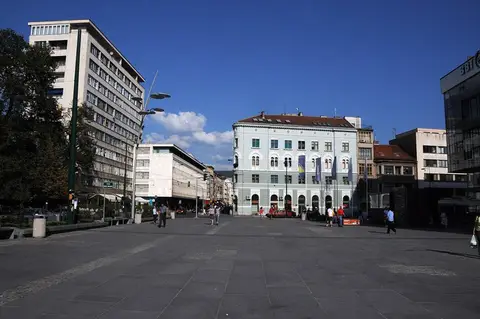
The traces of the siege from 1992 to 1996 are still visible. Shell impacts in the pavement filled with red resin, known as the Sarajevo Roses, mark places where people died. The Tunnel of Hope beneath the airport was the besieged city's only link to the outside world; part of it can be visited as a museum. Gallery 11/07/95 commemorates the Srebrenica genocide, and Kovači Cemetery holds the graves of fallen defenders, including President Alija Izetbegović. The Marijin Dvor district with its high-rises lay along the notorious Sniper Alley.
Eating and Going Out
Ćevapi, small grilled minced-meat sausages served in flatbread with onions and kajmak, are best eaten at the ćevabdžinicas of Baščaršija. Burek with meat, cheese, or spinach is available at bakeries, served with ayran. Bosnian coffee is served in copper pots with sugar and Turkish delight and is meant to be sipped slowly. In August, the Sarajevo Film Festival turns the city into a meeting place for European cinema, and in the evening the bars along Ferhadija are busy.
Getting There and Best Time to Visit
Sarajevo Airport is about twelve kilometers west of the city, and buses and taxis run to the center; the tram crosses the whole valley to the train station and on to Željeznička, the district that is home to the stadium of the soccer club of the same name. The best times to visit are spring and fall, while in winter you can go skiing on Bjelašnica and Jahorina.